Absolutely, when traveling with a reputable tour operator and taking sensible precautions, overlanding in Africa is generally safe. It’s an adventurous journey, but that doesn’t mean it’s reckless. With experienced crews, well-maintained vehicles, and thoughtful route planning, safety is a top priority.
Here’s how operators ensure a safe and secure experience and what travelers should be aware of:
How our Professional Operators Keep You Safe
Expert Crews
Reputable tours are led by seasoned guides and drivers who know the routes, conditions, and local cultures inside out. They’re trained in first aid, crisis response, and vehicle maintenance, and their regional knowledge is invaluable when navigating remote areas.
Reliable, Purpose-Built Vehicles
Overland trucks and 4x4s are specifically designed for Africa’s rugged terrain. Operators conduct regular maintenance, carry spare parts, and often have support networks along the route, reducing the risk of serious breakdowns in remote regions.
Smart Route Planning
Tours are carefully routed with safety in mind. Operators monitor travel advisories, local conditions, and political developments daily and work closely with campsite managers and local contacts. If a region becomes unstable, they adjust the itinerary.
Hassle-Free Border Crossings
African border crossings can be confusing, but crew-led crossings make things smoother. The team handles paperwork and understands local processes, minimizing delays and avoiding potential complications.
Campsite Security
Most tour campsites are secure, fenced, and often patrolled. Vehicles may include onboard safes for passports, money, and valuables. When wild camping, guides follow strict safety protocols. Common Concerns & How They’re Managed
Petty Theft in Cities
Like in any travel destination, theft can occur, especially in busy urban areas. How it’s handled: You’ll receive advice on staying vigilant, using money belts, avoiding nighttime walks alone, and keeping valuables secure. Tours often limit city stays or arrange secure transport.
Challenging Road Conditions
African roads can range from smooth highways to rough dirt tracks. Wildlife is also a hazard, particularly after dark. How it’s handled: Drivers are trained to handle a wide range of terrain. Most tours avoid night driving altogether to reduce risks.
Health & Illness
Travelers may experience mild illnesses or encounter tropical diseases. How it’s handled: Operators advise on vaccinations and malaria prevention before the trip. Tour leaders are trained in first aid, carry medical kits, and provide guidance on food, water, and hygiene. Travel insurance is mandatory.
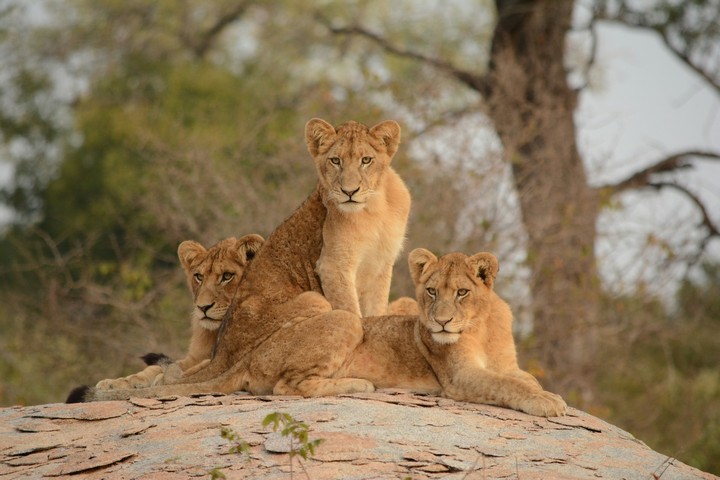
Wildlife Encounters
Camping in or near wildlife areas adds to the adventure, but comes with responsibility.
How it’s handled: Guides are trained in wildlife behavior and safety. Campsites are carefully selected, and clear instructions are given about staying within safe zones and respecting animals’ space.
Political Instability
Though rare on tourist routes, unrest can happen.
How it’s handled: Operators continuously monitor regional stability and will reroute or cancel affected sections of a tour if necessary, prioritizing traveler safety at all times.
The Bottom Line
Overlanding in Africa is adventurous — but not unsafe. Traveling with the right operator ensures you’re in expert hands every step of the way, from remote bush camps to border posts.
Still unsure? Check out our traveler reviews and see how hundreds of others found their journey both safe and unforgettable.