

African Overland Tours
https://www.facebook.com/AfricanOverlandTourscom/
https://www.instagram.com/african_overland_tours/
https://www.youtube.com/@africanoverlandtoursandsafaris
+27 (0) 21 448 0997
Customer Service
Worldwide

African Overland Tours
https://www.facebook.com/AfricanOverlandTourscom/
https://www.instagram.com/african_overland_tours/
https://www.youtube.com/@africanoverlandtoursandsafaris
+27 (0) 21 448 0997
Customer Service
Worldwide
African Overland Tours
https://africanoverlandtours.com/tours/10-day-nairobi-to-arusha-adventure-tour-camping/
Price From
R79,299
Price Disclaimer: Tour is Priced ZAR 79299 – 91099 (Price Fluctuates base on the seats available. Please confirm with your travel consultant).
*Currency estimated. Tours are Based in South African Rand (ZAR) and converted on the day. Some Tours are Based in EUR/USD

Latest
2025 Tripadvisor Travelers Choice:
Best Travel Company for Adventure Holidays

https://schema.org/InStock

Length
10 days

Tour Type
Camping

Starts
Nairobi

Comfort Level
Classic

Ends
Arusha

Age Range
12 - 65 and above

Tour SKU
CAM2630

Operated in
English Guided

Group Size
Max 14
EXTEND MY TOUR

Price From
was
R47,390
R40,282

Price From
R173,699
What are you looking for?
Get advice and suggestions to make this your perfect trip.
or call us on:
+27 (0) 21 448 0997Spend 10 adventure-filled days camping under the midnight skies of the Masai Mara, touring the Serengeti, Ngorongoro Crater and Lake Manyara. Traveling with all-terrain vehicles cuts down on the time spent traveling and allows you to focus on engaging with the locals and tracking the big five!
10 Day Nairobi to Arusha Adventure Tour
10 Day Nairobi to Arusha Adventure Tour
https://africanoverlandtours.com/wp-content/themes/africanoverlandtours/images/placeholder-img.jpg
2025-06-10T06:20:00+00:00
https://www.youtube.com/embed/oyfGce2IXkE?si=wgKmiI-BP_MDbknp
African Overland Tours
https://africanoverlandtours.com
https://africanoverlandtours.com/wp-content/uploads/2025/04/logo.svg
Your tour begins in Nairobi. You may arrive at any time as there are no planned activities until an evening welcome meeting to discuss the exciting journey ahead.
If you arrive early, the city offers a wealth of cultural treasures; consider visiting the Karen Blixen Museum to see the former home of the famous Danish author, or explore Kenya’s heritage at the National Museum. For a taste of the local culinary scene, you might opt for an exotic dinner at the world-renowned Carnivore Restaurant.


Hotel Boulevard or similar

Welcome Meeting on Arrival Day

Bomas of Kenya Tour 120 USD per person, The Carnivore Restaurant 130 USD per person, National Museum 3-53 USD per person, Karen Blixen Museum 34-75 USD per person, Railway Museum 6 – 34 USD per person
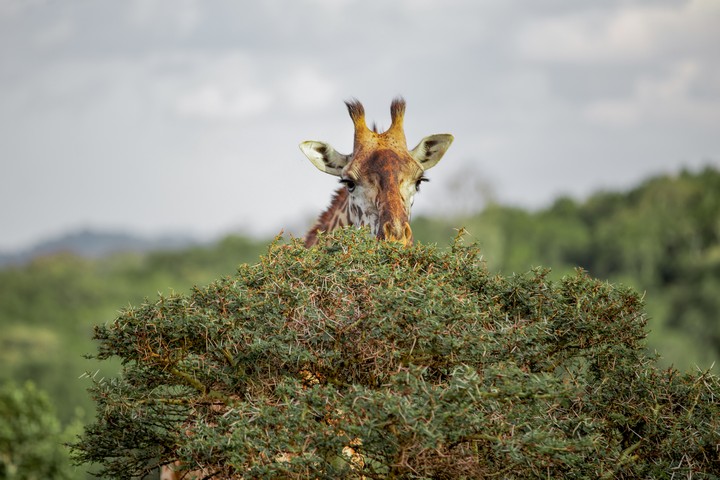
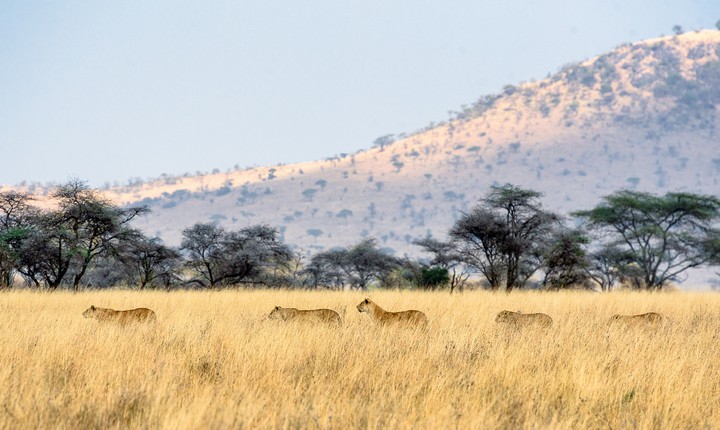
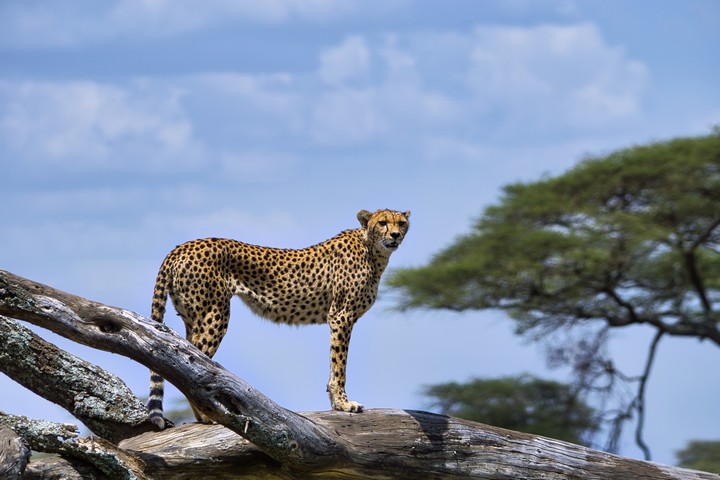
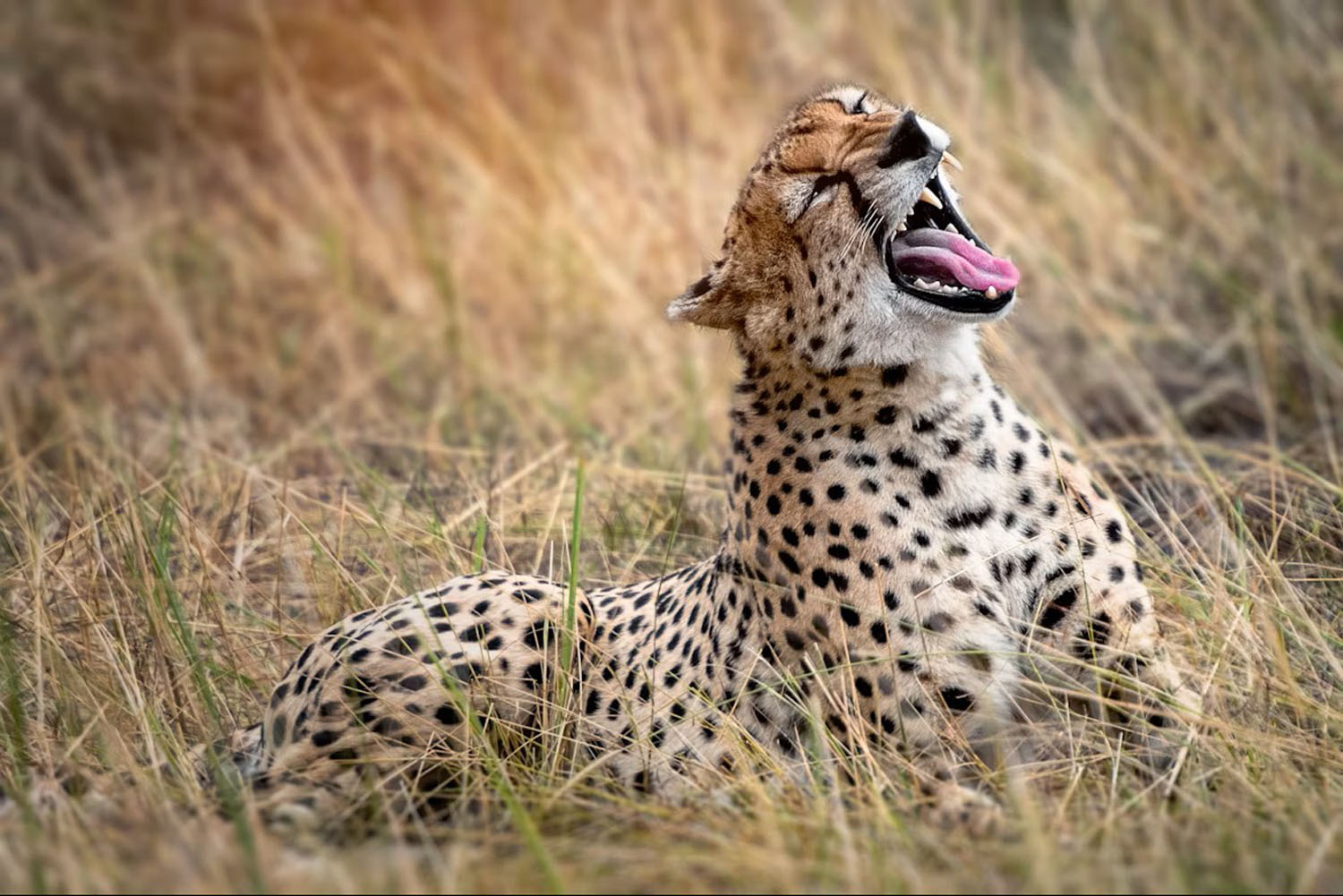
Experience one of Africa’s most popular national parks on a journey through the Great Rift Valley. See if you can spot the “big five” on a late afternoon wildlife safari drive. Explore Kenya’s premier wildlife reserve from Nairobi through the Great Rift Valley. Our base for the day will be the safari camp, which we will arrive in the afternoon. Experience the “big five” on a wildlife safari drive in the late afternoon – lion, cheetah, buffalo, elephant and giraffe are just some of the animals you may see. Safaris provide a spectacular experience due to the diverse wildlife and natural environment.
Kenia Safari Tented Camp or similar

Breakfast, Lunch, Dinner
Masai Mara Wildlife Safari Drive

±386 km

±7 hours
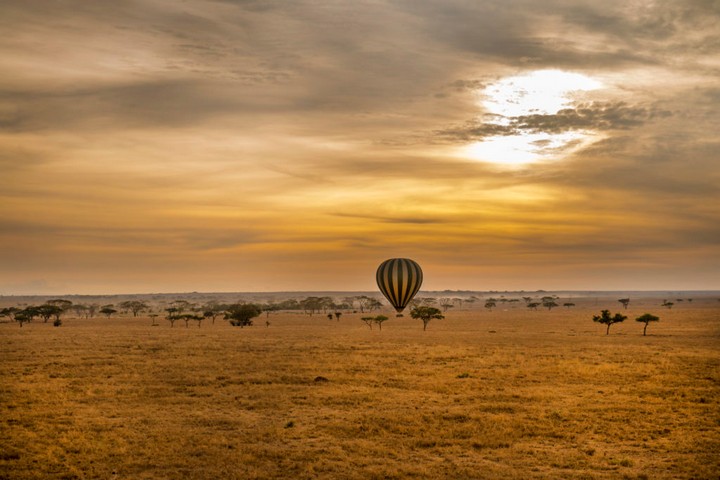
You can view wildlife at its most active during an early morning wildlife safari drive. Discover this nomadic culture by visiting a Masai village (optional), learning to dance like a warrior, and stopping in a manyatta (family compound). Get a unique perspective on the landscape by taking a balloon safari. Ask your guide or travel consultant for assistance if you want to include this optional activity on your tour.
Kenia Safari Tented Camp or similar
Breakfast, Lunch, Dinner
Masai Mara Wildlife Safari Drive
Masai Mara Balloon Safari
After breathing in the fresh morning air of the Mara, you will begin the drive back to Nairobi. Today features a special stop: a visit to Amani Ya Juu for lunch. This fair-trade project supports women from various African nations who have sought refuge in Kenya.
During this visit, you will learn how the initiative empowers women through entrepreneurship and craft-making, leading to their economic independence. You will enjoy a locally sourced lunch prepared by the community and have the chance to hear their inspiring stories firsthand. The rest of the afternoon is yours to enjoy free time in Nairobi
Hotel Boulevard or similar
Breakfast, Lunch
Amani Ya Juu Lunch
± 245km
± 5½ – 6½ hours
Travel to Tanzania for the day. In the afternoon, drive across the Tanzanian border to Arusha, a picturesque town. Have another night in a hotel after exploring the town and its bustling markets. More travellers may join you once you arrive in Arusha for the Tanzania portion of your trip.
The Outpost Lodge or similar
Breakfast
± 290 km
±7 – 8 hours
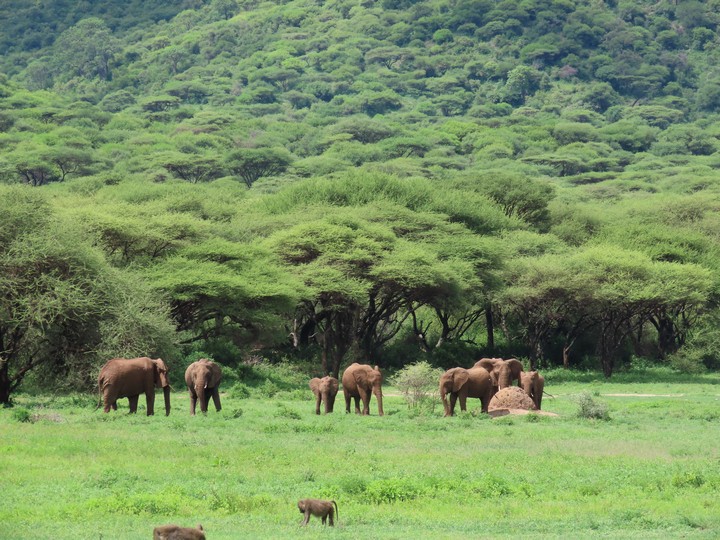
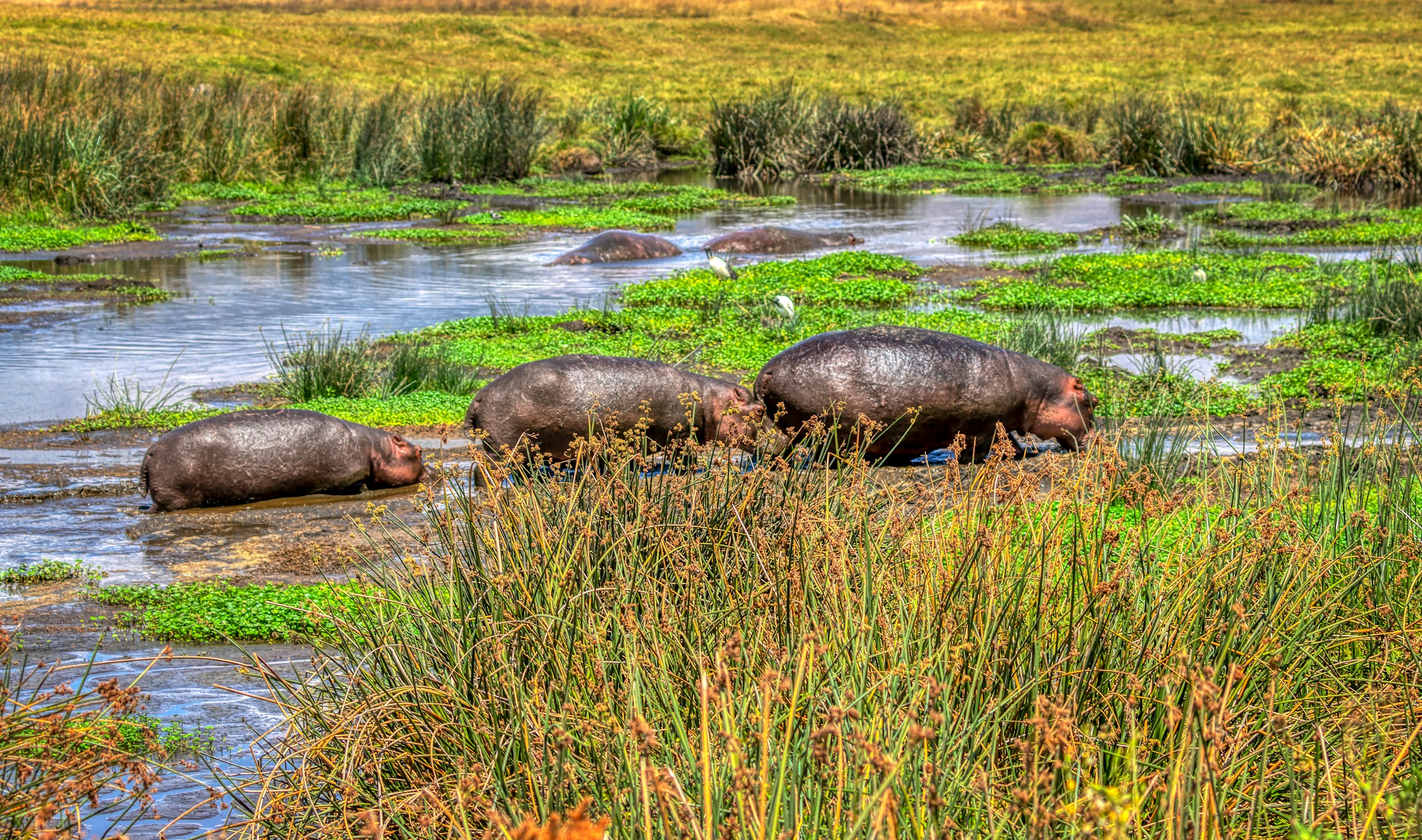
Take a guided cultural walk through Mto wa Mbu village and enjoy traditional lunch with a local family. Lake Manyara National Park offers wildlife safari drives. Learn about village life in Mto wa Mbu village through a cultural walk. Enjoy a delicious traditional lunch made by the women who conduct the village tours. Experience wildlife along the main road that winds through a lush forest of ficus trees and bromeliads in Lake Manyara National Park. A stunning backdrop is provided by the western wall of the Rift Valley escarpment. You will find incredible birdlife, lions that climb trees, elephants, giraffes, and hippos.
Twiga Lodge and Campsite or similar
Breakfast, Lunch, Dinner
Mto wa Mbu Community Visit and Lunch, Lake Manyara National Park Afternoon Safari Drive
± 130 km
±2 – 3 hours
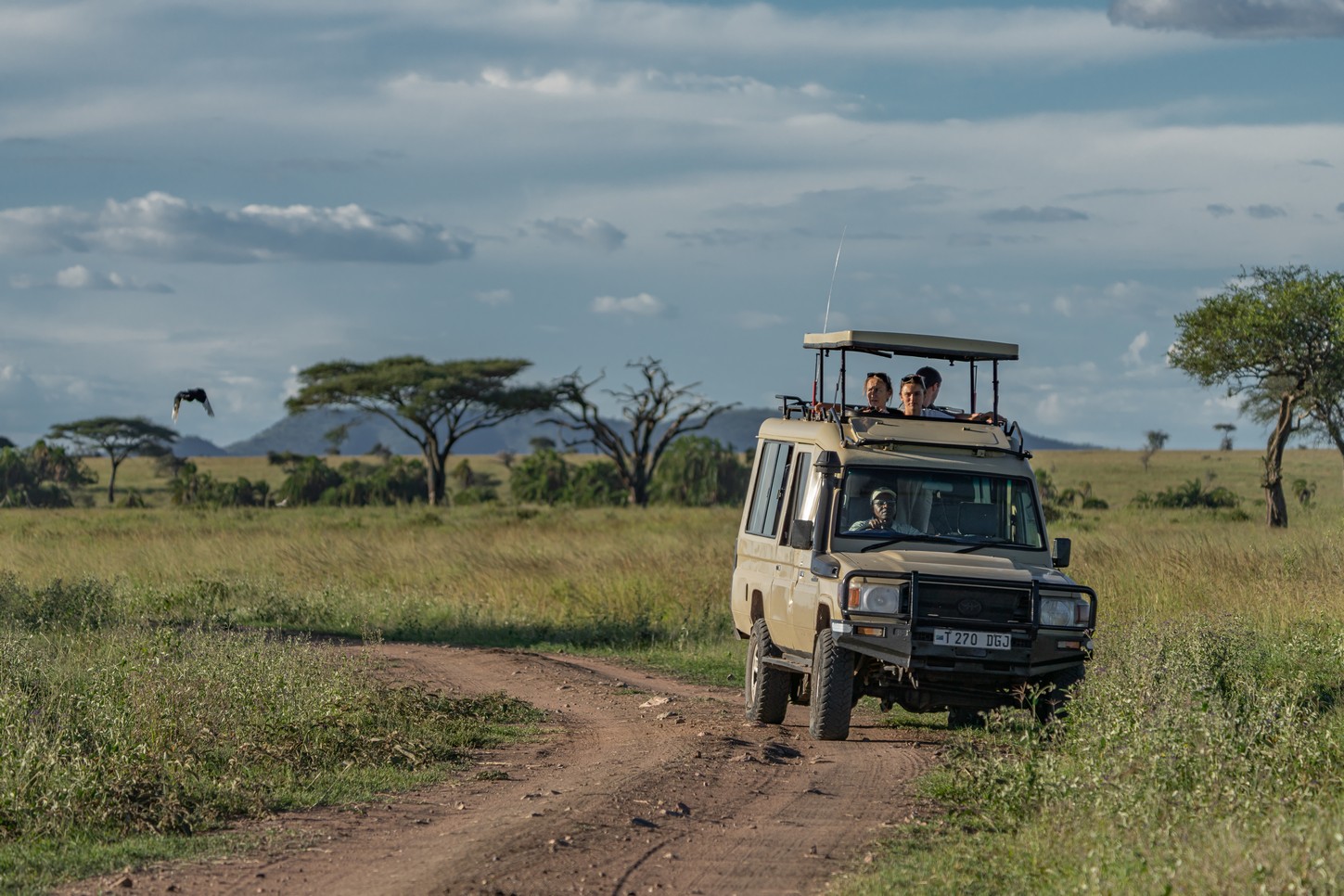
Visit the central Serengeti on a wildlife safari drive. Continue to Serengeti National Park after passing through the Ngorongoro Conservation Area. As you cruise through this acacia-accented savanna, marvel at the sheer size and diversity of the terrain.
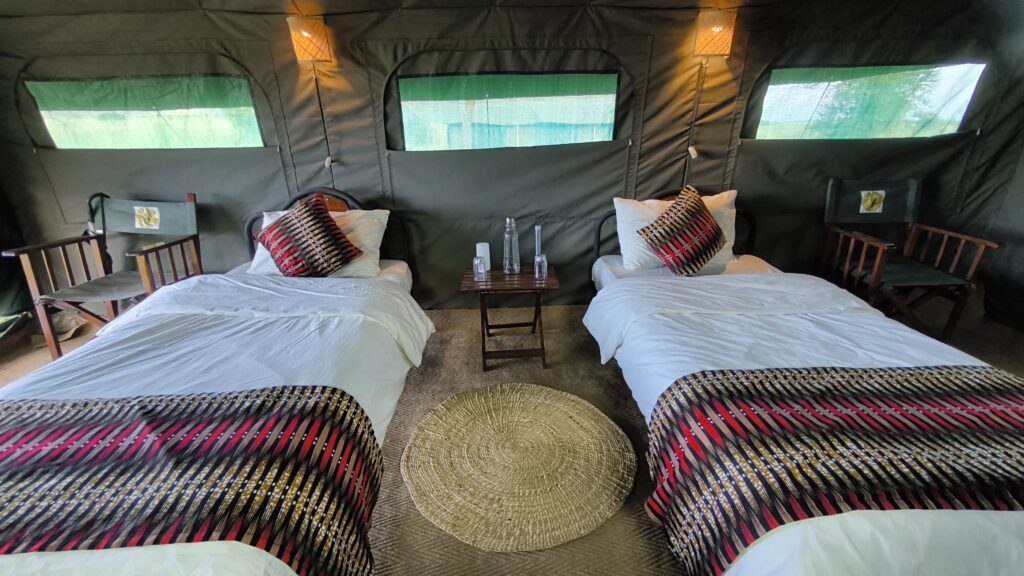
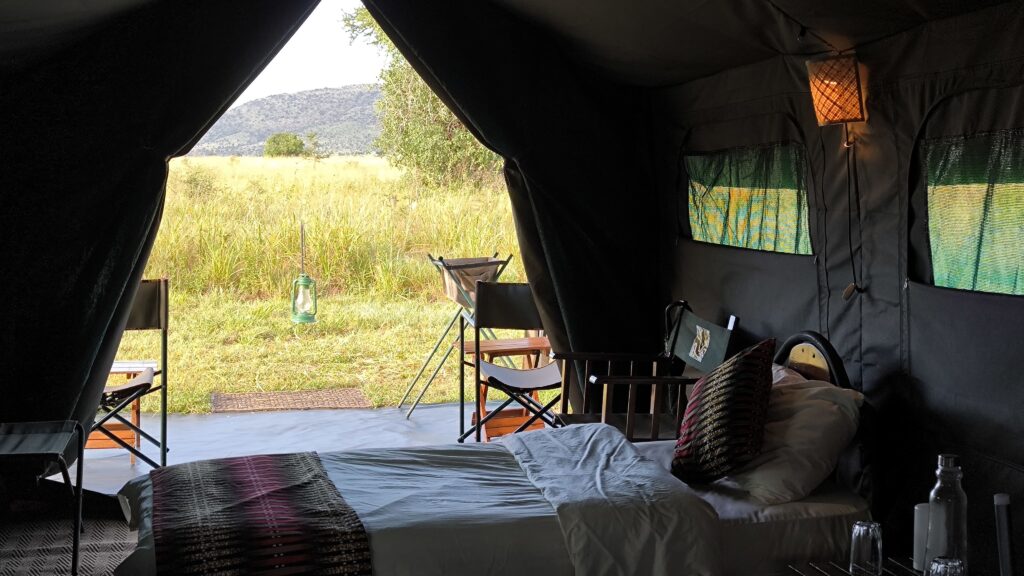
Seronera Campsite or similar
Breakfast, Lunch, Dinner
Serengeti National Park Safari
± 190 km
± 8 – 9 hours
Start your day with a full-day wildlife safari in the Serengeti. Taking in the vastness of the Serengeti plains, enjoy a picnic lunch in the bush while searching for the “big five.”
If you opt for the balloon safari, you will miss the morning group game drive but will rejoin the group later in the day. All meals today are included and often enjoyed as a picnic in the bush.

Seronera Campsite or similar
Breakfast, Lunch, Dinner
Serengeti National Park Full Day Safari
Serengeti Balloon Safari
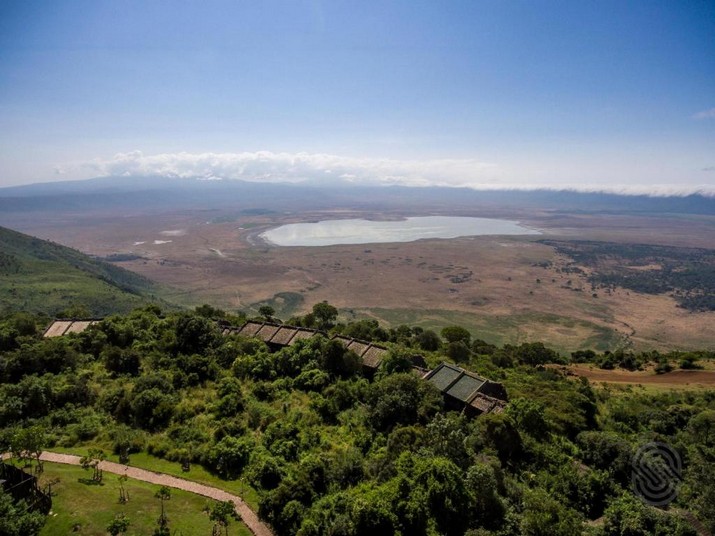
On your way out of the Serengeti, take a morning wildlife safari drive, then visit the Ngorongoro Crater, before settling into your campsite on the rim of the crater to enjoy the views of the crater. Over 20,000 to 25,000 large mammals live on the Crater floor because of the abundant pasture and permanent water.
Because the campsite is at a high altitude, temperatures can drop significantly at night. It is highly recommended to bring extra layers of clothing for the evening and the following morning.
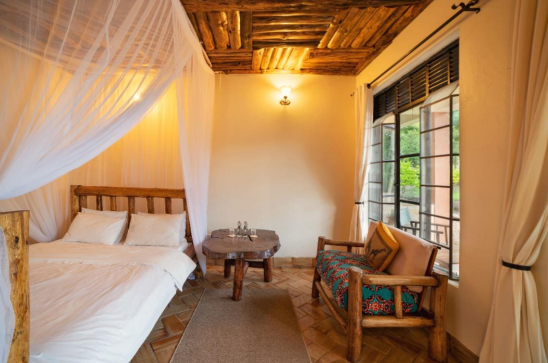
Simba Campsite or similar
Breakfast, Lunch, Dinner
Serengeti National Park Safari, Ngorongoro Crater Afternoon Wildlife Safari Drive
On your final morning, visit a Masai village in the Monduli District to witness the “Clean Cookstove Project”. This initiative trains women as stove engineers to build clean-burning stoves, significantly reducing indoor smoke pollution and the time women spend collecting firewood. You will have the chance to meet the stove team, visit traditional bomas, and perhaps help build a stove.
Following this impactful visit, travel back to Arusha. The tour concludes upon arrival in Arusha.
Breakfast, Lunch
Clean Cookstove Project Visit
± 200 km
± 4 – 5 hours
Nairobi
Masai Mara
Serengeti National Park
Optional Activities available on this tour at your own expense
Price From
R79,299
Price Disclaimer: Tour is Priced ZAR 79299 – 91099 (Price Fluctuates base on the seats available. Please confirm with your travel consultant).
*Currency estimated. Tours are Based in South African Rand (ZAR) and converted on the day. Some Tours are Based in EUR/USD
EXTEND MY TOUR
Price From
was
R47,390
R40,282
Price From
R173,699
What are you looking for?
Get advice and suggestions to make this your perfect trip.
or call us on:
+27 (0) 21 448 0997
Price From
R173,699
Chat to our experts to help you plan your dream trip.


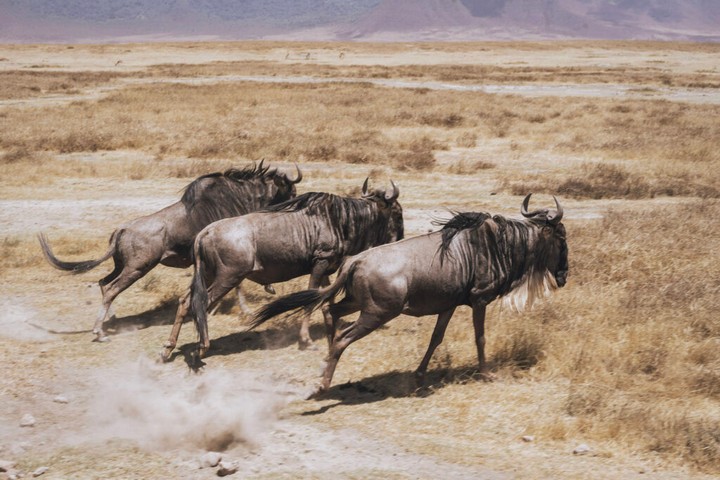
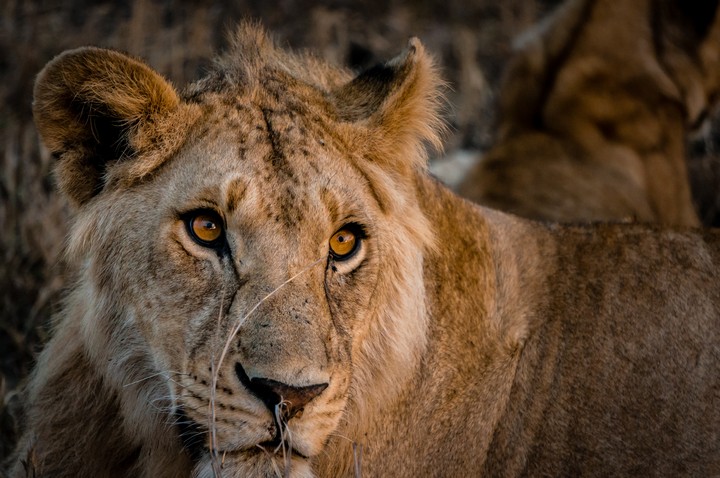
Aside from the Big Five, Tanzania is home to tree-climbing lions (Lake Manyara and Serengeti), the endangered wild dog (Selous/Nyerere), black-and-white colobus monkeys (Arusha & Usambara), and the largest wildebeest migration on Earth.
Best Overall Months: June to October and January to February
If you’re looking for a sweet spot for both Southern and East Africa, the dry season from June to October and January-February is widely considered the best time to visit. Why?
Dry weather easier travel and fewer mosquitoes
Peak wildlife viewing animals gather around waterholes and are easier to spot
Cooler temperatures especially pleasant in places like Namibia, Botswana, and Kenya
Southern Africa (South Africa, Namibia, Botswana, Zimbabwe, Zambia)
Best months: May to September
June–August: Excellent for safaris; cool mornings, dry days
September–October: Hotter, but fantastic for wildlife as animals cluster near water
November–April: The green (rainy) season — landscapes are lush, but wildlife is harder to spot and roads can get muddy. Great for birdwatching.
Top pick: July or August — dry, clear, and great for game drives in Kruger, Chobe, and Etosha.
East Africa (Kenya, Tanzania, Uganda, Rwanda)
Best months: June to October and January to February
July–September Prime time for the Great Migration in the Serengeti and Maasai Mara
January–February Short dry season, good for safaris and gorilla trekking
March–May Long rains — travel is still possible, but muddy conditions and wildlife dispersal can be a challenge
Top pick July or August — Great Migration + ideal gorilla trekking conditions in Uganda and Rwanda
| Highlight | Best Time |
|---|---|
| Classic safaris | June – October |
| Fewer tourists | May or November |
| The Great Migration (Kenya/Tanzania) | July – September |
| Gorilla trekking (Uganda/Rwanda) | June – August, January – February |
| Victoria Falls at peak flow | March – May |
| Budget travel | Green season (November – April) |
Yes, the Great Migration typically occurs from July to October in the Masai Mara, offering a spectacular wildlife viewing experience.
More questions? Let the Experts help
LET THE EXPERTS HELP
Here’s What You Need to Know about Serengeti National Park, the World’s Most Famous Safari Destination Was there ever a more iconic African game reserve than Serengeti National Park in Tanzania? Twentieth-century explorer and author Alan Moorehead was right when…

How much and what (cash or traveller’s cheques) to take on your Africa overland tour, can be a headache. Fear not as we have a few budget tips for your Africa overland tour. The following should be used as guidelines…

Inspired to book the holiday of a lifetime? Here are 7 things to know before you start planning your African safari. Wild animals Something that people seem to forget when they’re on a safari is that the animals they’re encountering are wild…

Price From
R79,299
10 Day Nairobi to Arusha Adventure Tour
https://africanoverlandtours.com/wp-content/uploads/2013/04/Hippos-in-swamp-in-Ngorngoro-Crater-Tanzania.jpg
https://africanoverlandtours.com/tours/10-day-nairobi-to-arusha-adventure-tour-camping/
"*" indicates required fields