

African Overland Tours
https://www.facebook.com/AfricanOverlandTourscom/
https://www.instagram.com/african_overland_tours/
https://www.youtube.com/@africanoverlandtoursandsafaris
+27 (0) 21 448 0997
Customer Service
Worldwide

African Overland Tours
https://www.facebook.com/AfricanOverlandTourscom/
https://www.instagram.com/african_overland_tours/
https://www.youtube.com/@africanoverlandtoursandsafaris
+27 (0) 21 448 0997
Customer Service
Worldwide
These are the most commonly asked question about Travel in Africa.
Can’t find what you’re looking for? Chat to our friendly team!
Laundry facilities are available in Cape Town, throughout South Africa, Johannesburg, Maputo, Swakopmund, Victoria Falls, Dar es Salaam, Zanzibar, Kampala and Nairobi. Often for a small fee, you can have your laundry washed on your behalf. Most camps (excluding remote camps) have hand-washing facilities.
A handy tip: you can buy a small box of eco-laundry detergent from your local camping store or once in Africa.
Time spent driving depends on the tour and route you’ve chosen. On average each tour has both short drives (a few hours) and long drives (all day) which will include lunch stops, restroom stops and scenic stops to stretch your legs and enjoy the surroundings.
Campsite facilities are overall very good facilities through Southern Africa with basic facilities in East Africa. It’s all part of the adventure and it adds to the flavour of the trip. Remote campsites such as; Serengeti National Park, Ngorongoro Crater and Masai Mara can be more primitive and do not always have hot water. Less remote campsites and accommodations have hot and cold running water, swimming pool, small shop and a bar.
A handy tip: always have pocket tissues + baby wipes + hand sanitizer with you.
A custom built, comfortable, safe and self-sufficient Africa overland truck to withstand the rugged African terrain.
Various vehicles are used on varying tours, with each offering comfortable seats with ample leg room. Each vehicle has large glass windows for uninterrupted views and perfect for game drives. Smaller 4×4 land cruiser type vehicles are used for game viewing in the Serengeti and Ngorongoro Crater, due to the roads being tougher and too narrow for the overland trucks.
Each overland vehicle includes a passenger safe to safely keep money + passports + flight tickets + credit cards. The keys are kept with your Tour Leader who will advise of safety requirements in place concerning the safe.
All tours will include; tents (camping tours), chairs, table, cutlery, pots, pans etc.
Sleeping bags are included on select camping tours, while a sleeping bag rental option is available on others. Most travellers will bring their own sleeping bag + travel pillow + towel. Bedding is included on the accommodated tours.
Sleeping mats are included on most overland tours, with the exception of a few budget overland camping tours. We will advise on this when suggesting a tour(s) for your overland adventure.
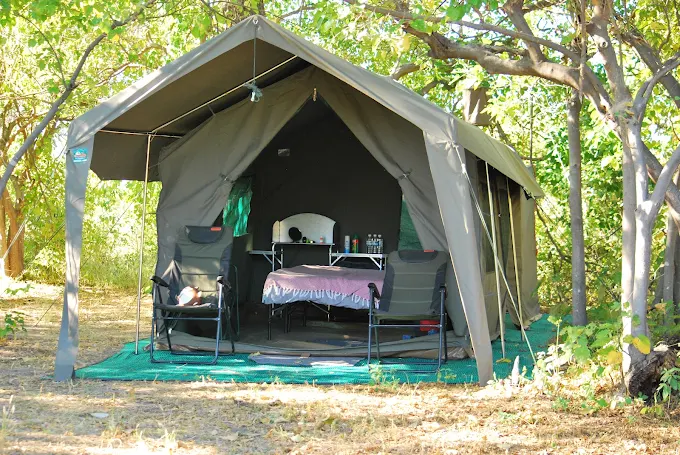
The camping tour makes use of large 2-man dome canvas tents, with built in mosquito nets. They are super quick and easy to put up and take down. The accommodated tours combine the adventure of camping and comfort of bedded accommodation, making use of twin and single rooms in hotels, hostels, lodge-style bungalows, chalets and permanent tented safari camps.
Most travelers get a Tanzania visa on arrival (USD $50–$100, depending on nationality). Check requirements beforehand.
Aside from the Big Five, Tanzania is home to tree-climbing lions (Lake Manyara and Serengeti), the endangered wild dog (Selous/Nyerere), black-and-white colobus monkeys (Arusha & Usambara), and the largest wildebeest migration on Earth.
No. On Premium Lodge Tours, breakfast and dinner are served in the lodges where you stay. Lunches, however, are for the client’s own account. This differs significantly from the Classic tours, where all included meals are generally prepared by the crew at the truck or camp.
No, the tour price is kept affordable to allow travelers the freedom to choose what activities excite them, as not everyone wants or can afford to do them all. Optional activities are available at your own expense . These activities are dependent on time, season, and weather and cannot be guaranteed.
Yes, a single supplement is compulsory for single travelers on all accommodated tours. If you wish to share a room with a same-sex guest, you will be charged the supplement upfront and refunded if a match is successfully made, though pairing is not guaranteed.
Yes, a single supplement is compulsory for single travelers on all accommodated (lodge) tours.
On classic camping and lodge tours, you are expected to assist with chores as it is a “limited participation tour”. This assistance allows guides more time to make the tour amazing.
Yes, guests on accommodated tours should bring their own towel, as they are not always provided.
On the Premium Lodge Tours, you are permitted one suitcase and one day pack, weighing no more than 23 kg per person. Unlike the Classic tours, which mandate a soft bag or backpack that must fit into a 35cm square locker, hard suitcases are allowed on the Premium Lodge Tours, provided they adhere to dimensions of 60 cm deep x 30 cm high x 80 cm width.
It is suggested that you carry either US Dollars or Euros in small denominations . US Dollars, especially notes printed after 2008 and in good condition, are widely accepted. Local currency exchange rates fluctuate frequently. ATMs are often available in towns for local currency withdrawal. Your guide can advise on the best places to draw or exchange money.
It is a 20-day tour (19 nights). It can be done in either a North (Cape Town to Victoria Falls) or South direction (Victoria Falls to Cape Town).
The expedition covers South Africa, Namibia, Botswana, and Zimbabwe
The tour is offered in two main versions: a camping option or an accommodated version.
The Cape Town to Victoria Falls tour is offered in both a camping and an accommodated version. On the classic camping & lodge tours, accommodated guests and campers travel together on the same custom-built truck, and meals are prepared by the crew. The main difference is the sleeping arrangement: accommodated guests stay in rooms, while campers use tents.
The maximum group size is 20 people, and the tour is open to travellers aged 10 years and older.
The Small Group Tour (often referred to as the Premium Lodge Tour) has a maximum of 12 guests. This is in contrast to the Classic Camping & Lodge tours which have a maximum of 20 guests on their 24-seater trucks.
This tour is an adventure tour and a safari, involving a mixture of desert, semi-arid, and wet areas. The experience is a journey through contrasts, including desert hikes and campouts under a blanket of stars. You should expect the route to be sometimes bumpy, sometimes dusty, and sometimes smooth.
On Premium Lodge Tours, guests are required to load and unload their own bag. However, the crew will offer assistance to ensure the safe storage of all baggage. This tour style requires less guest participation compared to the Classic tours where assistance is requested for tasks like washing up, setting up camp, and food preparation.
This tour is a journey and involves covering big distances. You should prepare for long hours in the vehicle. Roads will be a mixture; some smooth and easy, others bumpy and dusty. An average day can take anywhere from 5 to 14 hours on the road.
Accommodated guests stay in 2 to 3-star rooms, with the majority of properties offering en-suite bathroom facilities. Accommodation selections are in line with the areas visited, providing a good variety. In some remote places, permanent safari tents are used and considered accommodation.
The Small Group Tours utilize a 12-seater truck. These custom vehicles are designed for the more discerning traveler and include features such as ample leg room, air-conditioning, and an on-board toilet. Additionally, each guest will have their own key safe installed next to their seat for small, personal items.
When visiting the Khwai Conservation Area/Okavango Delta, you will be separated from the truck for two nights. Accommodation here is a rustic style mobile fly camp at Khwai Tented Camp. The meru tents are equipped with two single beds and adjoining en-suite amenities, including a bucket shower system and chemical toilet.
The tour visits four countries: South Africa, Namibia, Botswana, and Zimbabwe.
No, the tour price is kept affordable to allow travelers the freedom to choose what activities excite them, as not everyone wants or can afford to do them all. Optional activities are available at your own expense . These activities are dependent on time, season, and weather and cannot be guaranteed.
On classic camping and lodge tours, you are expected to assist with chores as it is a “limited participation tour”. This assistance allows guides more time to make the tour amazing.
It is suggested that you carry either US Dollars or Euros in small denominations . US Dollars, especially notes printed after 2008 and in good condition, are widely accepted. Local currency exchange rates fluctuate frequently. ATMs are often available in towns for local currency withdrawal. Your guide can advise on the best places to draw or exchange money.
It is a 20-day tour (19 nights). It can be done in either a North (Cape Town to Victoria Falls) or South direction (Victoria Falls to Cape Town).
The expedition covers South Africa, Namibia, Botswana, and Zimbabwe
The tour is offered in two main versions: a camping option or an accommodated version.
The maximum group size is 20 people, and the tour is open to travellers aged 10 years and older.
This tour is an adventure tour and a safari, involving a mixture of desert, semi-arid, and wet areas. The experience is a journey through contrasts, including desert hikes and campouts under a blanket of stars. You should expect the route to be sometimes bumpy, sometimes dusty, and sometimes smooth.
Absolutely, when traveling with a reputable tour operator and taking sensible precautions, overlanding in Africa is generally safe. It’s an adventurous journey, but that doesn’t mean it’s reckless. With experienced crews, well-maintained vehicles, and thoughtful route planning, safety is a top priority.
Here’s how operators ensure a safe and secure experience and what travelers should be aware of:
How our Professional Operators Keep You Safe
Expert Crews
Reputable tours are led by seasoned guides and drivers who know the routes, conditions, and local cultures inside out. They’re trained in first aid, crisis response, and vehicle maintenance, and their regional knowledge is invaluable when navigating remote areas.
Reliable, Purpose-Built Vehicles
Overland trucks and 4x4s are specifically designed for Africa’s rugged terrain. Operators conduct regular maintenance, carry spare parts, and often have support networks along the route, reducing the risk of serious breakdowns in remote regions.
Smart Route Planning
Tours are carefully routed with safety in mind. Operators monitor travel advisories, local conditions, and political developments daily and work closely with campsite managers and local contacts. If a region becomes unstable, they adjust the itinerary.
Hassle-Free Border Crossings
African border crossings can be confusing, but crew-led crossings make things smoother. The team handles paperwork and understands local processes, minimizing delays and avoiding potential complications.
Campsite Security
Most tour campsites are secure, fenced, and often patrolled. Vehicles may include onboard safes for passports, money, and valuables. When wild camping, guides follow strict safety protocols.
Common Concerns & How They’re Managed
Petty Theft in Cities
Like in any travel destination, theft can occur, especially in busy urban areas.
How it’s handled: You’ll receive advice on staying vigilant, using money belts, avoiding nighttime walks alone, and keeping valuables secure. Tours often limit city stays or arrange secure transport.
Challenging Road Conditions
African roads can range from smooth highways to rough dirt tracks. Wildlife is also a hazard, particularly after dark.
How it’s handled: Drivers are trained to handle a wide range of terrain. Most tours avoid night driving altogether to reduce risks.
Health & Illness
Travelers may experience mild illnesses or encounter tropical diseases.
How it’s handled: Operators advise on vaccinations and malaria prevention before the trip. Tour leaders are trained in first aid, carry medical kits, and provide guidance on food, water, and hygiene. Travel insurance is mandatory.
Wildlife Encounters
Camping in or near wildlife areas adds to the adventure, but comes with responsibility.
How it’s handled: Guides are trained in wildlife behavior and safety. Campsites are carefully selected, and clear instructions are given about staying within safe zones and respecting animals’ space.
Political Instability
Though rare on tourist routes, unrest can happen.
How it’s handled: Operators continuously monitor regional stability and will reroute or cancel affected sections of a tour if necessary, prioritizing traveler safety at all times.
The Bottom Line
Overlanding in Africa is adventurous — but not unsafe. Traveling with the right operator ensures you’re in expert hands every step of the way, from remote bush camps to border posts.
Still unsure? Check out our traveler reviews and see how hundreds of others found their journey both safe and unforgettable.
The great thing about overland travel is the flexibility; you can choose the style that fits you best, whether you’re all about roughing it in the wild or winding down in a comfy bed after a day of adventure.
Camping Tours
For the true adventurer, camping is at the heart of the overlanding experience. You’ll stay at a mix of well-equipped campsites (with showers, toilets, and sometimes even electricity) and more remote “bush” or “wild” camps where you’re completely off-grid.
What’s included: Tents and mattresses
What you bring: Sleeping bag and personal gear
What to expect: You’ll usually help with setting up and taking down your tent and might pitch in with cooking or cleaning
Why choose it:
Budget-friendly, incredibly immersive, and perfect for starry-night lovers
Accommodated Tours
Prefer a bed to a sleeping bag? No problem. Accommodated tours swap tents for a range of local stays from guesthouses and hostels to traditional lodges and hotels.
If you want your own bathroom, this might be for you.
What to expect:
Simple but comfortable rooms, usually with your own en-suite bathrooms. It is still adventurous, but with a bit more rest and comfort at the end of each day.
Camping & Accommodation Combo
Not quite ready to go full-rough? Many tours offer comfort camping think camp beds, fewer chores, and a team to handle tent setup and cooking.
Some itineraries also blend both styles: a few nights in tents and a few in lodges, giving you the best of both worlds.
An Africa overland tour isn’t your average holiday, it’s an unforgettable, boots-on-the-ground adventure. These journeys are all about the experience of traveling overland: crossing vast landscapes, spotting wildlife, meeting local communities, and embracing the unexpected.
Whether you’re exploring South Africa, Namibia, Botswana, or beyond, this is travel at its most raw, real, and rewarding.
It’s definitely not for everyone — but perfect for those who want a true adventure.
Expedition Vehicles
Travel in rugged, purpose-built overland trucks, 4x4s, or expedition vans.
These vehicles are designed for tough conditions and long distances from smooth tarmac to remote dirt tracks.
Small Group Travel
Most tours run with 4–20 people, creating a friendly, team-based environment.
Expect to make friends quickly you’ll be sharing campsites, stories, and daily responsibilities.
Immersive Cultural Experiences
Go beyond the guidebook.
Visit remote villages, interact with local communities, and experience traditions and ways of life far from the tourist trail.
Flexible Itineraries
No two trips are ever exactly the same.
Weather, road conditions, or spontaneous local events might shift the route but that’s part of the fun.
Stunning and Varied Landscapes
From the towering dunes of Namibia to the wetlands of the Okavango Delta and the savannas of Kruger, you’ll see some of the most breathtaking natural sights Africa has to offer.
Hands-On Involvement
Many overland tours are participatory.
You’ll help with setting up camp (if you doing a camping safari), prepping meals, and pitching in where needed. It’s all part of the experience and part of the story you’ll tell later.
The best way to tour Africa overland depends on your travel style, budget, and how adventurous you’re feeling but the most popular and practical option for most travelers is to join a guided overland tour. Here’s a breakdown of the best options and what to consider:
Join a Group Overland Tour (Most Popular & Hassle-Free)
Why it’s the best for most travelers:
These are pre-organized tours run by professional operators using rugged, expedition-style vehicles. They handle logistics, safety, accommodation, permits, and border crossings — so you can focus on the experience.
Key Features:
Overland truck or 4×4: Purpose-built for Africa’s roads and terrain
Set itineraries: Ranging from 7 days to 60+ days across multiple countries
Accommodation: Options include camping, lodges, or a mix (see: camping vs comfort)
Inclusions: Transport, some meals, park fees, and a crew (guide + driver, sometimes a cook)
Group size: Typically 6–20 travelers
Ideal for: Solo travelers, couples, and anyone who wants a mix of adventure and convenience
Best for first-timers, bucket-listers, or those who want a deep, immersive experience without doing all the planning.
Self-Drive Safari if you have off-road driving experience (Independent & Flexible)
Best for experienced travelers who want full control and don’t mind handling logistics. You can rent a 4×4 (often with a rooftop tent), plot your own route, and camp or stay in lodges. This is only recommended for Southern Africa do to road conditions and safety.
Pros:
Full freedom and flexibility
Ideal for travel in South Africa, Namibia, Botswana (great road infrastructure)
Great for families or friends traveling together
Cons:
Requires planning, confidence, and navigating cross-border rules
Not recommended in some East African countries due to road conditions or safety
Best for: Return visitors, adventurous couples, or travelers with off-road driving experience.
Best Overall Months: June to October and January to February
If you’re looking for a sweet spot for both Southern and East Africa, the dry season from June to October and January-February is widely considered the best time to visit. Why?
Dry weather easier travel and fewer mosquitoes
Peak wildlife viewing animals gather around waterholes and are easier to spot
Cooler temperatures especially pleasant in places like Namibia, Botswana, and Kenya
Southern Africa (South Africa, Namibia, Botswana, Zimbabwe, Zambia)
Best months: May to September
June–August: Excellent for safaris; cool mornings, dry days
September–October: Hotter, but fantastic for wildlife as animals cluster near water
November–April: The green (rainy) season — landscapes are lush, but wildlife is harder to spot and roads can get muddy. Great for birdwatching.
Top pick: July or August — dry, clear, and great for game drives in Kruger, Chobe, and Etosha.
East Africa (Kenya, Tanzania, Uganda, Rwanda)
Best months: June to October and January to February
July–September Prime time for the Great Migration in the Serengeti and Maasai Mara
January–February Short dry season, good for safaris and gorilla trekking
March–May Long rains — travel is still possible, but muddy conditions and wildlife dispersal can be a challenge
Top pick July or August — Great Migration + ideal gorilla trekking conditions in Uganda and Rwanda
| Highlight | Best Time |
|---|---|
| Classic safaris | June – October |
| Fewer tourists | May or November |
| The Great Migration (Kenya/Tanzania) | July – September |
| Gorilla trekking (Uganda/Rwanda) | June – August, January – February |
| Victoria Falls at peak flow | March – May |
| Budget travel | Green season (November – April) |
An overland tour is an incredible and unique way to explore, but it’s definitely not for everyone. It appeals most strongly to a specific type of traveler seeking adventure, cultural immersion, and a hands-on experience.
Here’s who an overland tour is perfectly suited for:
Social and Flexible Individuals
Whether you’re a solo traveler, a couple, or a small group, overland tours thrive on a communal atmosphere. You’ll be sharing experiences, meals, and often close quarters with your fellow travelers (typically 4–20 people). A willingness to be adaptable, contribute to the group dynamic, and embrace unexpected changes is key.
The Adventurous and Open-Minded
If your idea of a perfect trip involves embracing the journey, enjoying diverse conditions, and you’re genuinely up for camping or hybrid comfort options, an overland tour is ideal. You’ll experience everything from wild camps under starry skies to more equipped campsites, and sometimes simple local accommodations. This isn’t a trip where every detail is rigidly planned; a spirit of adventure is essential.
Culture Enthusiasts and Nature Lovers
Those eager for authentic wildlife encounters, deep cultural immersion, and varied landscapes will find overland tours incredibly rewarding. You’ll venture off the beaten path, meeting local communities, witnessing incredible wildlife in their natural habitats, and traversing diverse terrains from deserts and mountains to savannas and coastlines. It’s about experiencing the “real” place, not just the polished tourist facade.
Active Participants Who Enjoy “Mucking In”
Many overland tours are participatory. This means you’ll be actively involved in the trip, whether it’s helping set up tents, preparing meals, loading luggage, or simply contributing to the group effort. If you enjoy being hands-on and part of the daily rhythm of travel, you’ll thrive.
Who is the typical traveller?
Solo Female and Male Explorers (Ages 25-45): Looking for Safety in Adventure and generally Camp on tour.
We understand that safety is paramount when traveling solo, especially in new and exciting destinations. Our overland tours are specifically designed to provide a secure and supportive environment for independent female travelers seeking adventure:
Built-in Buddy System
You’re never truly alone. Travel in a small, like-minded group with a fantastic camaraderie. Shared experiences foster instant connections and a natural sense of mutual support and safety.
Expertly Led
Our experienced tour leaders and local guides are your navigators and protectors. They are well-versed in local customs, safety protocols, and are equipped to handle any situation, from border crossings to medical needs. They act as your reliable point of contact and local knowledge hub.
Secure Accommodations
Whether camping under a blanket of stars or staying in local guesthouses, we prioritize safe and reputable overnight stops. Our campsites are often fenced and patrolled, and fixed accommodations are carefully selected for your peace of mind.
Responsible Travel
We adhere to strict safety standards, ensuring our custom-built vehicles are meticulously maintained and routes are planned with current advisories in mind. Your safety is our top priority, allowing you to fully embrace the thrill of discovery.
Freedom to Explore, Safely
Enjoy the freedom of independent exploration within a supportive group framework. Our tours allow you to push your boundaries and achieve your adventure goals with confidence.
Couples & Bucket-List Travelers (Ages 45-75): Looking for Comfort (stay in accommodation) and Unforgettable Experiences
For those with a lifetime of travel dreams and a desire for meaningful experiences without sacrificing comfort, our overland tours offer the perfect blend:
Balanced Comfort & Authenticity
While adventure is at the core, we offer options for hybrid comfort, incorporating a mix of well-appointed camping and comfortable, locally-owned hotels or lodges. You can still experience the raw beauty of Africa, knowing a comfortable bed and private facilities are often just around the corner.
Effortless Exploration
Leave the logistics to us. Our dedicated crew handles all the heavy lifting – from setting up camp (on camping-focused tours) to preparing delicious meals and navigating complex routes. You’re free to relax, soak in the scenery, and focus on creating incredible memories.
Rich Cultural & Wildlife Immersion
Our itineraries are curated to deliver those once-in-a-lifetime moments you’ve always dreamed of: spotting the “Big Five” on thrilling game drives, interacting with local communities, witnessing breathtaking natural wonders, and enjoying sunsets over vast African landscapes.
Diverse Group Dynamics
Our tours attract a vibrant mix of ages and backgrounds, creating an engaging and supportive group dynamic. You’ll share incredible moments and forge new friendships with fellow travelers who share your passion for discovery.
Pace Designed for Enjoyment
While journeying is a key part of overlanding, we balance travel days with ample time for relaxation, exploration, and optional activities, ensuring you can enjoy every moment at a comfortable pace.
Whether you’re embarking on a solo quest for self-discovery or checking off a long-held travel dream with your partner, an overland tour offers a truly immersive and safe way to experience the magic of Africa. It’s about authentic connections, breathtaking landscapes, and adventures that will stay with you long after you return home.
Those Seeking Luxury or Pampering
If your priority is five-star hotels, gourmet dining every night, and being waited on, an overland tour will likely disappoint. Comfort is often secondary to the experience and authenticity.
Travelers Desiring Minimal Effort
These tours require a degree of physical and mental resilience. If you prefer a highly structured trip where all logistical challenges are invisible to you, overlanding might feel too demanding.
Individuals with Limited Mobility or Specific Health Needs
The nature of overlanding often involves long drives, uneven terrain, getting in and out of a large vehicle, and sometimes basic facilities. If you have significant mobility issues or require constant access to specific amenities, it may not be suitable.
Those Who Dislike Group Travel or Sharing Facilities
If you prefer solitude, complete independence, or struggle with shared spaces and group decisions, the communal aspect of overlanding might be challenging.
When researching your ideal overland adventure, you’ll notice a range of prices for seemingly similar itineraries. This variation isn’t arbitrary; it stems from key differences in what each operator includes in their base tour price. Understanding these factors is crucial for an accurate comparison and to avoid unexpected costs. The main reasons why costs vary include:
Tour Inclusions (The “All-Inclusive” Factor)
National Park & Game Reserve Fees
These can be substantial in Africa.Some operators include all, or a significant portion of, the required park entry fees in their upfront price. Others may list these as a separate “local payment” to be paid in cash on arrival, or as optional extras.
Meals
Many overland tours include most meals prepared by the crew, offering excellent value. However, some operators might include fewer meals, leaving more lunches and dinners as personal expenses at local restaurants or markets.
Permits & Visas
While visa costs are typically the traveler’s responsibility, some operators might include certain specific permits (e.g., for gorilla trekking, which is a very high-cost activity) in their premium packages.
Included Activities
This is a major differentiator. Some tours boast a wide array of “included” activities – think game drives, guided walks, cultural visits, or even a mokoro (dugout canoe) trip in the Okavango Delta. Other, often lower-priced, tours might list many of these as “optional activities” that you pay for on the ground, significantly increasing your overall spend if you choose to participate in most of them.
Sleeping Options & Comfort Levels affect the pricing
Camping vs. Accommodated
As discussed, camping-focused tours are generally more affordable as they utilize campsites. Tours offering a mix of camping and accommodated nights, or entirely accommodated tours (using guesthouses, lodges, or hotels), will naturally come at a higher price point due to the increased cost of fixed accommodation.
Quality of Campsites/Lodges
Even within “camping” or “accommodated” categories, the quality can differ. Some operators might use more basic campsites or simpler lodges, while others opt for properties with more amenities like swimming pools, hot showers, and better facilities, impacting the price.
Vehicle Quality & Features
Newer, more comfortable, and better-equipped overland trucks (e.g., with USB charging points, air conditioning, larger viewing windows) may lead to higher tour costs. Older, more basic vehicles can be cheaper to operate.
Crew Composition
Some tours operate with a smaller crew (e.g., a guide/driver), while others might include a dedicated cook or additional support staff. More crew members contribute to a higher operational cost per traveler.
Operator’s Brand & Service Level
Well-established operators with decades of experience, strong safety records, and excellent customer service often command a higher price. Their investment in staff training, vehicle maintenance, and emergency protocols is reflected in their pricing.
Group Size
Smaller group tours (e.g., max 12 people) often come with a higher per-person cost than larger group tours (e.g., up to 24 people) due to fewer individuals sharing the fixed costs of the vehicle and crew.
Always Check What’s Included vs. Optional Extras:
To accurately compare tours, it is essential to scrutinize the “Inclusions” and “Exclusions” sections of each itinerary.
Don’t just look at the headline price. What might seem like a cheaper tour initially could end up being more expensive once you add up all the “optional” activities, extra meals, and local payments.
Yes, a single supplement is compulsory for single travelers on all accommodated (lodge) tours.
Yes, guests on accommodated tours should bring their own towel, as they are not always provided.
The Cape Town to Victoria Falls tour is offered in both a camping and an accommodated version. On the classic camping & lodge tours, accommodated guests and campers travel together on the same custom-built truck, and meals are prepared by the crew. The main difference is the sleeping arrangement: accommodated guests stay in rooms, while campers use tents.
This tour is a journey and involves covering big distances. You should prepare for long hours in the vehicle. Roads will be a mixture; some smooth and easy, others bumpy and dusty. An average day can take anywhere from 5 to 14 hours on the road.
Accommodated guests stay in 2 to 3-star rooms, with the majority of properties offering en-suite bathroom facilities. Accommodation selections are in line with the areas visited, providing a good variety. In some remote places, permanent safari tents are used and considered accommodation.
When visiting the Khwai Conservation Area/Okavango Delta, you will be separated from the truck for two nights. Accommodation here is a rustic style mobile fly camp at Khwai Tented Camp. The meru tents are equipped with two single beds and adjoining en-suite amenities, including a bucket shower system and chemical toilet.
The tour visits four countries: South Africa, Namibia, Botswana, and Zimbabwe.
No. On Premium Lodge Tours, breakfast and dinner are served in the lodges where you stay. Lunches, however, are for the client’s own account. This differs significantly from the Classic tours, where all included meals are generally prepared by the crew at the truck or camp.
Yes, a single supplement is compulsory for single travelers on all accommodated tours. If you wish to share a room with a same-sex guest, you will be charged the supplement upfront and refunded if a match is successfully made, though pairing is not guaranteed.
On the Premium Lodge Tours, you are permitted one suitcase and one day pack, weighing no more than 23 kg per person. Unlike the Classic tours, which mandate a soft bag or backpack that must fit into a 35cm square locker, hard suitcases are allowed on the Premium Lodge Tours, provided they adhere to dimensions of 60 cm deep x 30 cm high x 80 cm width.
The Small Group Tour (often referred to as the Premium Lodge Tour) has a maximum of 12 guests. This is in contrast to the Classic Camping & Lodge tours which have a maximum of 20 guests on their 24-seater trucks.
On Premium Lodge Tours, guests are required to load and unload their own bag. However, the crew will offer assistance to ensure the safe storage of all baggage. This tour style requires less guest participation compared to the Classic tours where assistance is requested for tasks like washing up, setting up camp, and food preparation.
The Small Group Tours utilize a 12-seater truck. These custom vehicles are designed for the more discerning traveler and include features such as ample leg room, air-conditioning, and an on-board toilet. Additionally, each guest will have their own key safe installed next to their seat for small, personal items.
More questions? Let the Experts help
LET THE EXPERTS HELP
"*" indicates required fields