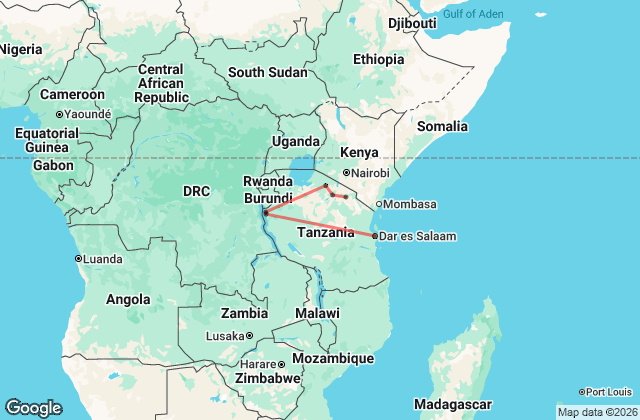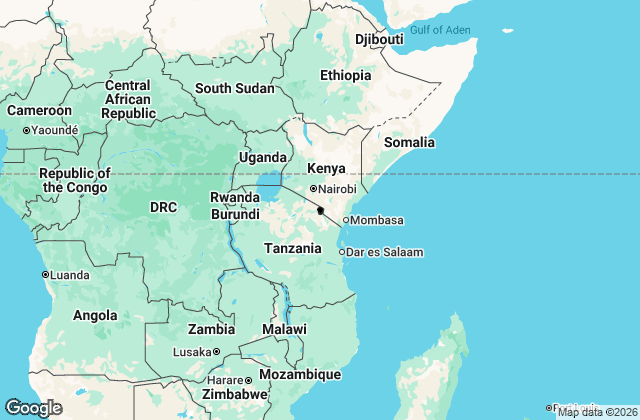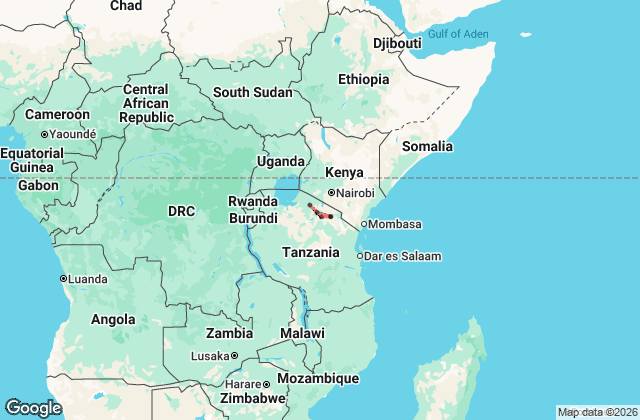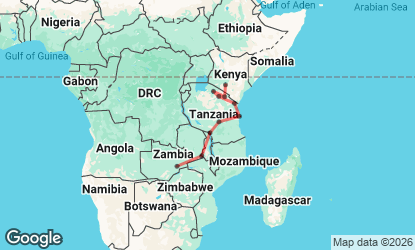


Explore Uganda
17 days
Tanzania
Places you'll visit
African Overland Tours
https://www.tripadvisor.co.uk/Attraction_Review-g312659-d13131637-Reviews-African_Overland_Tours-Cape_Town_Central_Western_Cape.html
https://www.reviews.io/company-reviews/store/africanoverlandtours-com
https://www.facebook.com/AfricanOverlandTourscom/
https://www.instagram.com/african_overland_tours/
https://www.tiktok.com/@africanoverlandtours
https://uk.trustpilot.com/review/africanoverlandtours.com
https://www.youtube.com/@africanoverlandtoursandsafaris
+27 (0) 21 448 0997
Customer Service
Worldwide

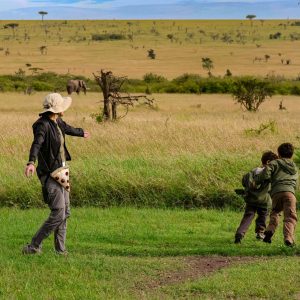
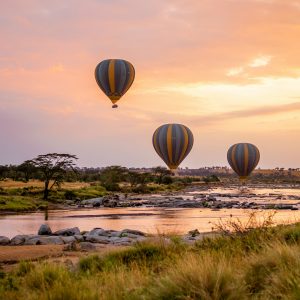
Imagine the thrill of watching a pride of lions basking in the golden African sun, or the awe of witnessing the Great Migration across the Serengeti. From the stunning landscapes of Kenya to the wild beauty of Tanzania, our safaris offer you the chance to experience Africa like never before. Whether you’re a first-time traveler or a seasoned explorer, our tours are designed to take you on a journey filled with excitement, unforgettable memories, and breathtaking wildlife encounters.
Ready to dive deeper? Extend your tour and immerse yourself in even more of East Africa’s magic – the adventure is just beginning! Keep reading to find out how you can make the most of your time in one of the world’s most iconic destinations.

ZAR
10794.00https://schema.org/InStock
African Overland Tours
Price From
R10,794
ZAR
93780.00https://schema.org/InStock
African Overland Tours
Price From
R93,780
ZAR
114099.00https://schema.org/InStock
African Overland Tours
Price From
R114,099
ZAR
127695.00https://schema.org/InStock
African Overland Tours
Price From
R127,695

ZAR
97690.00https://schema.org/InStock
African Overland Tours
Price From
R97,690
ZAR
148399.00https://schema.org/InStock
African Overland Tours
Price From
R148,399
ZAR
48999.00https://schema.org/InStock
African Overland Tours
Price From
R48,999
ZAR
82299.00https://schema.org/InStock
African Overland Tours
Price From
R82,299
ZAR
101199.00https://schema.org/InStock
African Overland Tours
Price From
R101,199
ZAR
51899.00https://schema.org/InStock
African Overland Tours
Price From
R51,899
ZAR
80699.00https://schema.org/InStock
African Overland Tours
Price From
R80,699
ZAR
92550.00https://schema.org/InStock
African Overland Tours
Price From
R92,550
ZAR
111450.00https://schema.org/InStock
African Overland Tours
Price From
R111,450
ZAR
118850.00https://schema.org/InStock
African Overland Tours
Price From
R118,850
ZAR
93150.00https://schema.org/InStock
African Overland Tours
Price From
R93,150
ZAR
46830.00https://schema.org/InStock
African Overland Tours
Price From
R46,830
ZAR
92550.00https://schema.org/InStock
African Overland Tours
Price From
R92,550
ZAR
128550.00https://schema.org/InStock
African Overland Tours
Price From
R128,550
ZAR
62360.00https://schema.org/InStock
African Overland Tours
Price From
was
R77,950
R62,360
Sunday
13 Sep 2026

Sunday
04 Oct 2026
From
R77,950
R66,258

14% discount
Sunday
27 Sep 2026
Sunday
18 Oct 2026
From
R77,950
R62,360
20% discount
Sunday
25 Oct 2026
Sunday
15 Nov 2026
From
R77,950
R70,155
10% discount
ZAR
44760.00https://schema.org/InStock
African Overland Tours
Price From
was
R55,950
R44,760
Sunday
13 Sep 2026
Tuesday
22 Sep 2026
From
R55,950
R47,558
14% discount
Sunday
27 Sep 2026
Tuesday
06 Oct 2026
From
R55,950
R44,760
20% discount
Sunday
25 Oct 2026
Tuesday
03 Nov 2026
From
R55,950
R50,355
10% discount
Sunday
03 Jan 2027
Tuesday
12 Jan 2027
From
R57,950
R55,950
3% discount
Sunday
17 Jan 2027
Tuesday
26 Jan 2027
From
R57,950
R55,950
3% discount
Sunday
31 Jan 2027
Tuesday
09 Feb 2027
From
R57,950
R55,950
3% discount
Sunday
14 Feb 2027
Tuesday
23 Feb 2027
From
R57,950
R55,950
3% discount
Sunday
28 Feb 2027
Tuesday
09 Mar 2027
From
R57,950
R55,950
3% discount
Sunday
28 Mar 2027
Tuesday
06 Apr 2027
From
R57,950
R55,950
3% discount
Sunday
11 Apr 2027
Tuesday
20 Apr 2027
From
R57,950
R55,950
3% discount
Sunday
25 Apr 2027
Tuesday
04 May 2027
From
R57,950
R55,950
3% discount
Sunday
09 May 2027
Tuesday
18 May 2027
From
R57,950
R55,950
3% discount
Sunday
20 Jun 2027
Tuesday
29 Jun 2027
From
R57,950
R55,950
3% discount
Sunday
04 Jul 2027
Tuesday
13 Jul 2027
From
R57,950
R55,950
3% discount
Sunday
18 Jul 2027
Tuesday
27 Jul 2027
From
R57,950
R55,950
3% discount
Sunday
15 Aug 2027
Tuesday
24 Aug 2027
From
R57,950
R55,950
3% discount
Sunday
12 Sep 2027
Tuesday
21 Sep 2027
From
R57,950
R55,950
3% discount
Sunday
10 Oct 2027
Tuesday
19 Oct 2027
From
R57,950
R55,950
3% discount
Sunday
07 Nov 2027
Tuesday
16 Nov 2027
From
R57,950
R55,950
3% discount
Sunday
21 Nov 2027
Tuesday
30 Nov 2027
From
R57,950
R55,950
3% discount
Sunday
05 Dec 2027
Tuesday
14 Dec 2027
From
R57,950
R55,950
3% discount
Sunday
19 Dec 2027
Tuesday
28 Dec 2027
From
R57,950
R55,950
3% discount
ZAR
95950.00https://schema.org/InStock
African Overland Tours
Price From
R95,950
Sunday
13 Sep 2026
Sunday
04 Oct 2026
From
R95,950
R81,558
14% discount
Sunday
27 Sep 2026
Sunday
18 Oct 2026
From
R95,950
R76,760
20% discount
Sunday
25 Oct 2026
Sunday
15 Nov 2026
From
R95,950
R86,355
10% discount
ZAR
49950.00https://schema.org/InStock
African Overland Tours
Price From
R49,950
Sunday
13 Sep 2026
Tuesday
22 Sep 2026
From
R49,950
R42,458
14% discount
Sunday
27 Sep 2026
Tuesday
06 Oct 2026
From
R49,950
R39,960
20% discount
Sunday
25 Oct 2026
Tuesday
03 Nov 2026
From
R49,950
R44,955
10% discount
Sunday
03 Jan 2027
Tuesday
12 Jan 2027
From
R52,950
R49,950
5% discount
Sunday
17 Jan 2027
Tuesday
26 Jan 2027
From
R52,950
R49,950
5% discount
Sunday
31 Jan 2027
Tuesday
09 Feb 2027
From
R52,950
R49,950
5% discount
Sunday
14 Feb 2027
Tuesday
23 Feb 2027
From
R52,950
R49,950
5% discount
Sunday
28 Feb 2027
Tuesday
09 Mar 2027
From
R52,950
R49,950
5% discount
Sunday
28 Mar 2027
Tuesday
06 Apr 2027
From
R52,950
R49,950
5% discount
Sunday
11 Apr 2027
Tuesday
20 Apr 2027
From
R52,950
R49,950
5% discount
Sunday
25 Apr 2027
Tuesday
04 May 2027
From
R52,950
R49,950
5% discount
Sunday
09 May 2027
Tuesday
18 May 2027
From
R52,950
R49,950
5% discount
Sunday
20 Jun 2027
Tuesday
29 Jun 2027
From
R52,950
R49,950
5% discount
Sunday
04 Jul 2027
Tuesday
13 Jul 2027
From
R52,950
R49,950
5% discount
Sunday
18 Jul 2027
Tuesday
27 Jul 2027
From
R52,950
R49,950
5% discount
Sunday
15 Aug 2027
Tuesday
24 Aug 2027
From
R52,950
R49,950
5% discount
Sunday
12 Sep 2027
Tuesday
21 Sep 2027
From
R52,950
R49,950
5% discount
Sunday
10 Oct 2027
Tuesday
19 Oct 2027
From
R52,950
R49,950
5% discount
Sunday
07 Nov 2027
Tuesday
16 Nov 2027
From
R52,950
R49,950
5% discount
Sunday
21 Nov 2027
Tuesday
30 Nov 2027
From
R52,950
R49,950
5% discount
Sunday
05 Dec 2027
Tuesday
14 Dec 2027
From
R52,950
R49,950
5% discount
Sunday
19 Dec 2027
Tuesday
28 Dec 2027
From
R52,950
R49,950
5% discount
ZAR
77950.00https://schema.org/InStock
African Overland Tours
Price From
R77,950
Friday
07 Aug 2026
Friday
28 Aug 2026
From
R77,950
R70,155
10% discount
Friday
21 Aug 2026
Friday
11 Sep 2026
From
R77,950
R70,155
10% discount
Friday
18 Sep 2026
Friday
09 Oct 2026
From
R77,950
R70,155
10% discount
ZAR
95950.00https://schema.org/InStock
African Overland Tours
Price From
R95,950
Friday
07 Aug 2026
Friday
28 Aug 2026
From
R95,950
R86,355
10% discount
Friday
21 Aug 2026
Friday
11 Sep 2026
From
R95,950
R86,355
10% discount
Friday
18 Sep 2026
Friday
09 Oct 2026
From
R95,950
R86,355
10% discount
Friday
22 Jan 2027
Friday
12 Feb 2027
From
R98,450
R95,950
2% discount
Friday
19 Mar 2027
Friday
09 Apr 2027
From
R98,450
R95,950
2% discount
Friday
14 May 2027
Friday
04 Jun 2027
From
R98,450
R95,950
2% discount
Friday
09 Jul 2027
Friday
30 Jul 2027
From
R98,450
R95,950
2% discount
Friday
03 Sep 2027
Friday
24 Sep 2027
From
R98,450
R95,950
2% discount
Friday
29 Oct 2027
Friday
19 Nov 2027
From
R98,450
R95,950
2% discount
ZAR
35860.00https://schema.org/InStock
African Overland Tours
Price From
R35,860
Imagine the thrill of watching a pride of lions basking in the golden African sun, or the awe of witnessing the Great Migration across the Serengeti. From the stunning landscapes of Kenya to the wild beauty of Tanzania, our safaris offer you the chance to experience Africa like never before. Whether you’re a first-time traveller or a seasoned explorer, our tours are designed to take you on a journey filled with excitement, unforgettable memories, and breathtaking wildlife encounters.
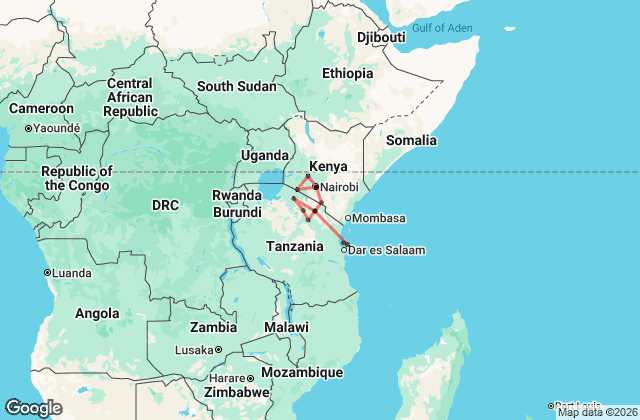
Kenya and Tanzania sit right next to each other, share the same Great Migration herds, and are crossed by safari vehicles every single day — which is exactly why they’re so often combined into a single trip rather than treated as two separate holidays. Read on to find out why, what you’ll actually see, when to go, and how the logistics of crossing between the two countries work.
The Masai Mara and the Serengeti aren’t two separate wildlife destinations that happen to be near each other — they’re a single ecosystem that a colonial-era border happens to run through. The same wildebeest, zebra, and predators that dominate the Serengeti’s plains for most of the year cross north into the Masai Mara roughly between July and October, then head back south again. Visiting only one side means seeing half the story; visiting both means following the same migration across two countries and, often, two very different landscapes and travel styles.
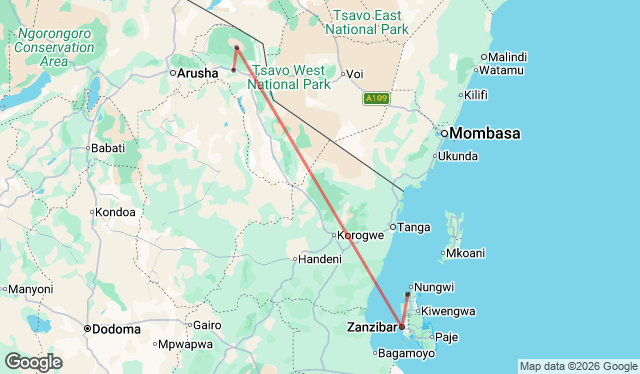
Beyond the migration itself, Kenya and Tanzania each bring something distinct to a combined trip. Kenya offers the Masai Mara’s dense predator populations and a well-developed safari infrastructure close to Nairobi, while Tanzania adds the Serengeti’s sheer scale, the extraordinary wildlife concentration of the Ngorongoro Crater, and — if you extend your trip — the beaches of Zanzibar and the challenge of Kilimanjaro. Put together, it’s genuinely one of the strongest safari-and-beach combinations Africa offers.
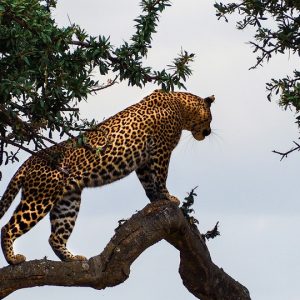
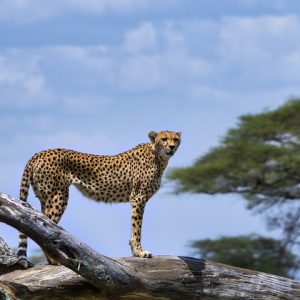
World-famous for its river crossings during migration season, but a phenomenal Big Five destination year-round thanks to resident lion, leopard, cheetah, elephant, and buffalo populations.
The Mara’s much larger southern counterpart — over 14,750 square kilometres of open plains, home to the migration for most of the year and among the best predator-viewing in Africa.
A collapsed volcanic caldera holding one of Africa’s densest concentrations of wildlife in a single, contained area — often called Africa’s Eden, and one of the most reliable places on the continent to see black rhino.
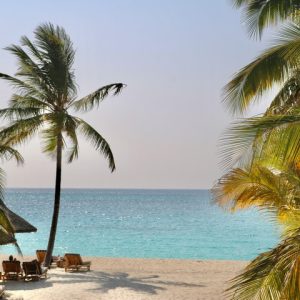
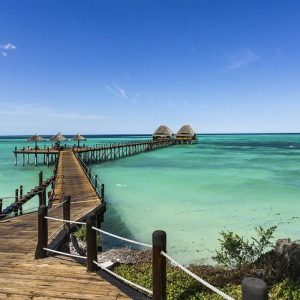
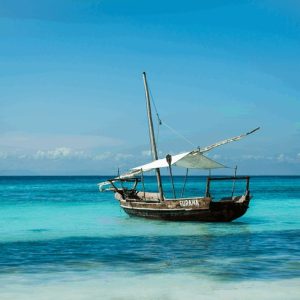
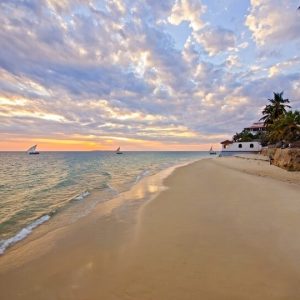
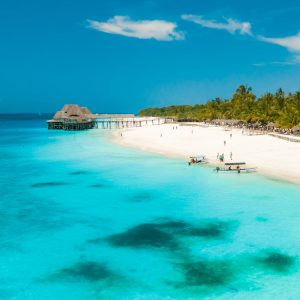
A genuinely easy add-on to any Kenya-Tanzania safari — white sand beaches, Stone Town’s UNESCO-listed old quarter, and a completely different pace to close out a wildlife-heavy trip.
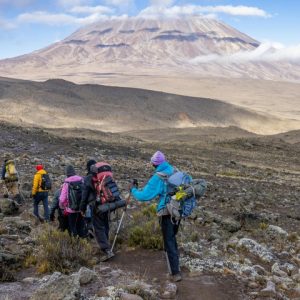
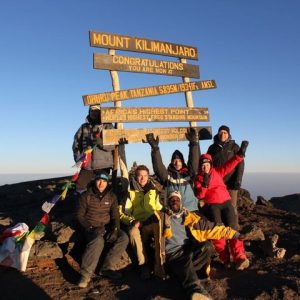
For travellers wanting more than wildlife, Africa’s highest peak is climbable on well-established routes like Machame, without technical climbing experience.
The Great Migration doesn’t follow a single fixed date — it moves with the rains — but broadly, the herds are in Tanzania’s Serengeti for most of the year and cross into Kenya’s Masai Mara from around July to October for the famous Mara River crossings, before heading back south. If witnessing a river crossing specifically is your priority, aim for those months; if you’d rather avoid peak crowds and prices, the Serengeti still delivers exceptional wildlife viewing well outside that window, since both parks hold substantial resident populations year-round.
Kenya and Tanzania’s dry seasons (roughly June to October, and again in January-February) generally offer the easiest game viewing, as animals concentrate around remaining water sources. The wetter months bring lush green scenery, newborn animals, and considerably fewer other vehicles at each sighting — a genuine trade-off rather than a simple “better or worse” choice.
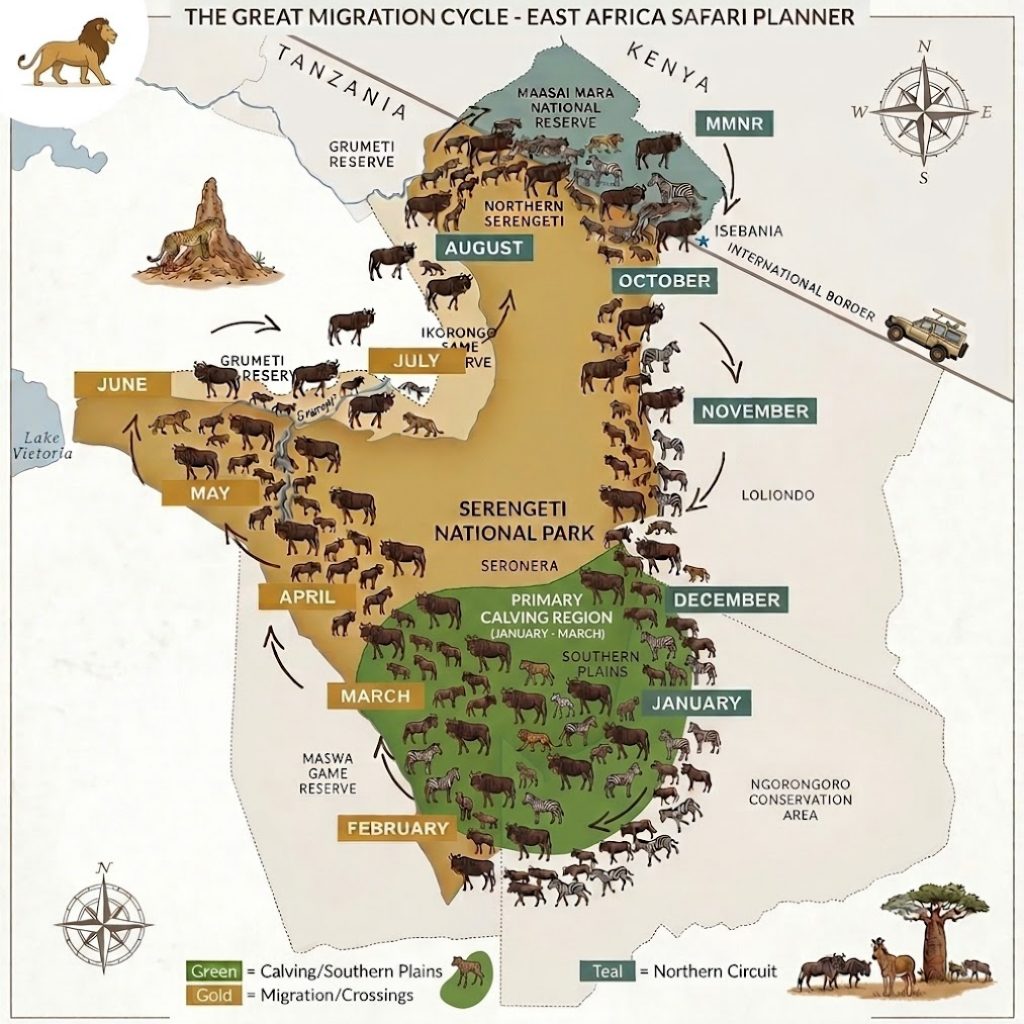
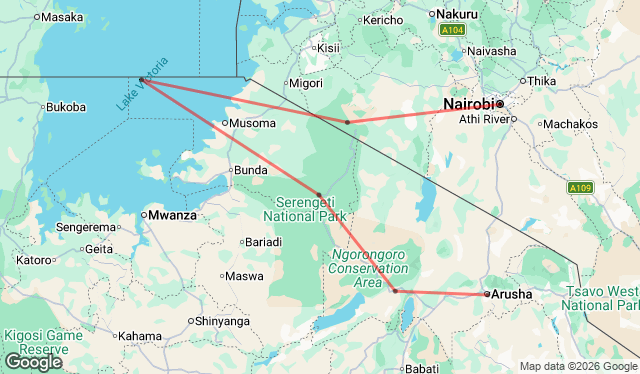
Crossing between Kenya and Tanzania overland is a normal, well-established part of a combined safari, not a complication to worry about. The route you take depends on which parks you’re linking:
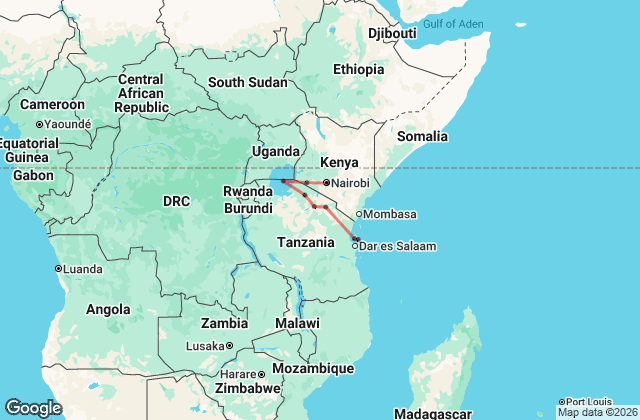
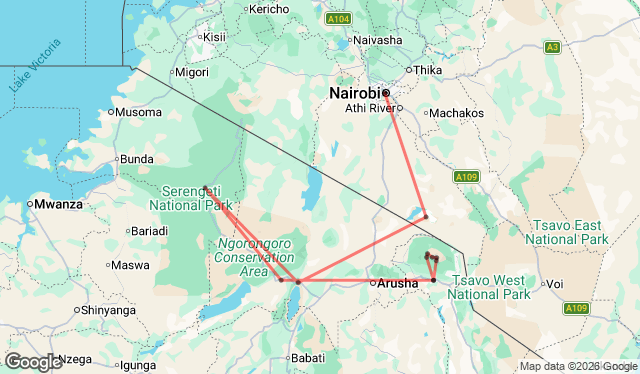
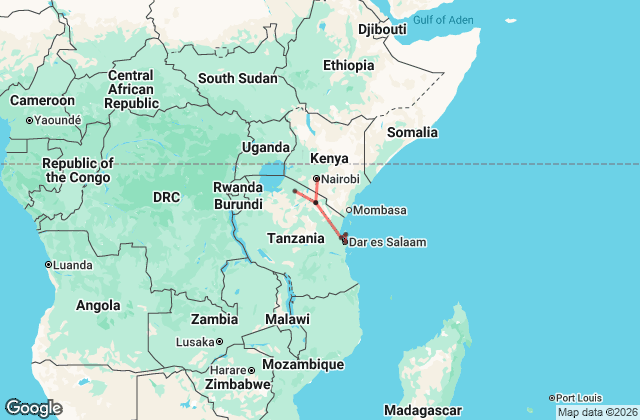
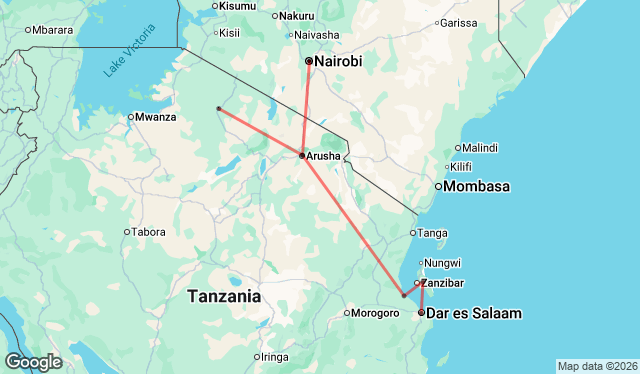
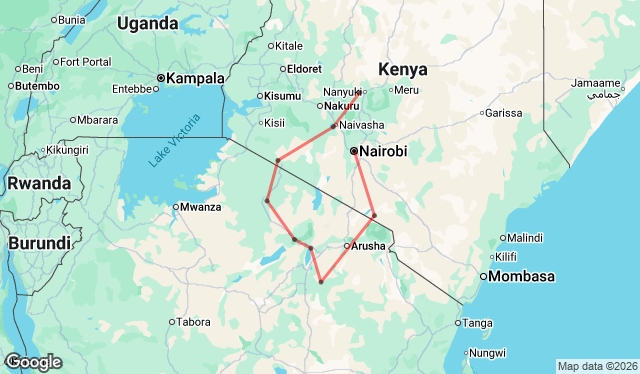
Namanga border connects Nairobi and Amboseli in Kenya with Arusha and Tanzania’s northern circuit (Serengeti, Ngorongoro, Lake Manyara, Tarangire) — the busiest and most established crossing, roughly 160km from Nairobi.
Isebania/Sirari border connects the Masai Mara directly with the Serengeti’s western side, avoiding a long loop back through Nairobi — the crossing most Migration-focused combined itineraries use.
At either crossing, your safari vehicle and guide typically change at the border, since Kenyan-registered vehicles and guides operate within Kenya and Tanzanian ones take over from there — a normal, expected handover rather than a sign of anything going wrong. Expect the crossing itself to take somewhere between 30 minutes and two hours depending on queues, and make sure you’re carrying a valid passport with at least six months’ validity and some blank pages, plus your yellow fever vaccination card, since it’s sometimes requested. Note that Tanzania is not part of the East African Tourist Visa scheme that covers Kenya, Uganda, and Rwanda — you’ll need a separate visa for each country, ideally arranged online in advance to avoid a longer wait at the border itself.
If time matters more than budget, flying between reserves (Masai Mara to Serengeti is roughly an hour by light aircraft, versus a full day overland) is worth considering on shorter itineraries, though it trades away the overland journey itself, which many travellers end up enjoying more than expected — a day on the road through Maasai land and the Rift Valley escarpment is scenery in its own right, not just a transit day.
| Feature | Masai Mara (Kenya) |
Serengeti (Tanzania)
|
| Sheer Scale | Compact, high wildlife density |
Massive, rolling endless plains
|
| Migration Window | Generally July to October |
Generally November to June
|
| Top Highlights | Dramatic Mara River crossings |
Calving season, vast open space
|
| Travel Hub | Nairobi (Wilson Airport) |
Arusha / Kilimanjaro Airport
|