


African Overland Tours
https://www.facebook.com/AfricanOverlandTourscom/
https://www.instagram.com/african_overland_tours/
https://www.youtube.com/@africanoverlandtoursandsafaris
+27 (0) 21 448 0997
Customer Service
Worldwide

African Overland Tours
https://www.facebook.com/AfricanOverlandTourscom/
https://www.instagram.com/african_overland_tours/
https://www.youtube.com/@africanoverlandtoursandsafaris
+27 (0) 21 448 0997
Customer Service
Worldwide
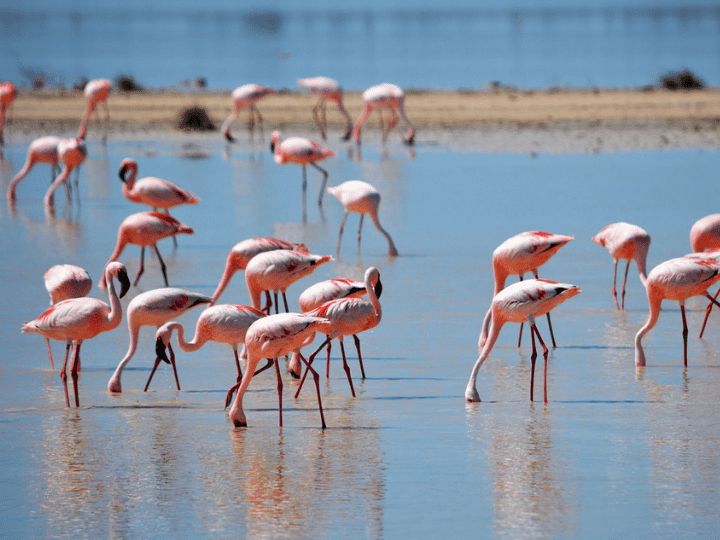
Lake Nakuru National Park was established in 1961 around the renowned Lake Nakuru, close by to Nakuru town. It is one of the two Premium Parks of Kenya and an absolute heaven for bird enthusiasts. Located around 140 kilometres northwest of Nairobi, the reserve can be found in the Nakuru district of the Rift Valley Province.
The Park is most famous for its incredible abundance of flamingos that nest along the shores, the number of which usually depends on food and water conditions. One or two million bright pink flamingos feed on the algae from the warm alkaline water in the lake. In return, the droppings from the flamingos sustain the algae. Scientists estimate that flamingos consume 250,000 kilos of algae per hectare per year.
The reserve was initially guarded as a bird haven, with over four hundred species of bird including five world-wide endangered species, and is a crucial stopover for birds during the African-Eurasian Migratory Flyway. Some of the other bird life present in the Park includes African fish eagles, goliath heron hamerkops, pied kingfishers and Verreaux eagle.
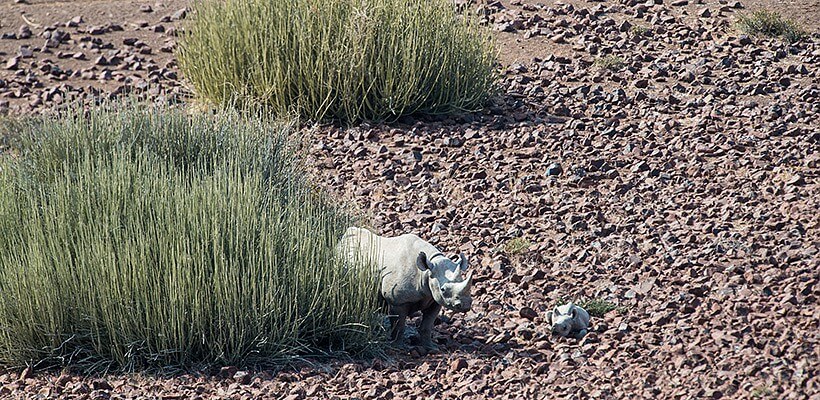
The ecosystem of the Park is made up of the lake which is encircled by wooded and bushy plains. The reserve hosts a large range of fauna and flora, including the Black and White Rhino. Lake Nakuru National Park was also the first national Rhino sanctuary and is home to one of the world’s biggest populations of Black Rhino. The size of the Park has newly been increased, in part to supply safety for the threatened Black Rhino.
In order to fully protect these magnificent creatures as well as the Rothschild giraffe and white rhino, and to prevent poaching, the reserve has erected a fence around an area of 188 kilometres. Aside from the various predators that roam the region, including lion, cheetah and leopard, pythons can be found in the lush woodlands and can be spotted making their way across roads or dangling from trees.
One of the main obvious attractions to the Lake Nakuru National Park is Lake Nakuru itself, one of the soda lakes of the Rift Valley that lies 1754 metres above sea level. It is located in the south part of the region and is protected by the Park that holds it. The lake is abundant with algae and consequently attracts millions of flamingos that line the shores, creating a ‘pink fringe’.
The lake also sustains a variety of other animals, such as warthogs, baboons and other big mammals.
Besides the incredible landscapes, animals and prolific bird life, the Park offers a variety of activities in which to partake. Nakuru Day Tours gives you the opportunity to embark on guided trips through the Park, which provides a lovely relaxed atmosphere during the start of your safari.
The views from the top of the mountain overlooking Lake Nakuru are awe-inspiring. If you are planning on touring this reserve, be sure to pay a visit to Baboon Cliff, which offers guests an outstanding aerial view of the Park. Here, you can observe spirited baboons interacting with their families and wandering around the roads. The new-borns are especially fun to watch as they preen and play with each other.
Other activities available in the reserve include game drives, picnicking, stunning photographic opportunities, Lion Hill and Makalia Falls to name but a few.
The best time to visit Lake Nakuru National Park is during the dry season, from July to October, when wildlife congregates around the lake’s shores, offering optimal viewing opportunities.
Yes, Lake Nakuru National Park offers a range of accommodation options, including campsites, lodges, and luxury tented camps, catering to various budgets and preferences.
Yes, self-driving is permitted in designated areas of Lake Nakuru National Park. However, it’s advisable to hire a local guide for a more enriching safari experience and to navigate the park safely.
Yes, there are entrance fees for Lake Nakuru National Park, which vary depending on nationality and vehicle type. It’s recommended to check the latest fee schedule before planning your visit.
Yes, Lake Nakuru National Park is considered safe for visitors. However, it’s essential to follow park regulations, stay on designated trails, and adhere to the guidance of experienced guides to ensure a safe and enjoyable experience.


Lake Nakuru’s unique combination of flamingos, rhinos, diverse birdlife, and scenic beauty make it a remarkable destination for nature lovers and wildlife enthusiasts. Exploring the park’s diverse habitats and observing the interactions between animals and their environment is a memorable experience.

"*" indicates required fields