

African Overland Tours
Namibia is a land of bold, contrasting, and mesmerising scenes There are the strong lines of its desert dunes. Shipwrecks rusting in misty, forgotten coves. Rugged mountain ranges scarred by canyons. River-wallowing wildlife and waterfalls. Forgotten towns, cracked salt pans, spiky trees, and, at night, a glittering sea of stars. This is a country made not just for dramatic landscape photography, but also for wildlife photography, nature close-ups, and astrophotography, among others. While there are many cultural, historic, and architectural delights to photograph in Namibia, here’s my pick of the top 10 places in the country where nature itself is key to the scene …
1. Etosha Pan
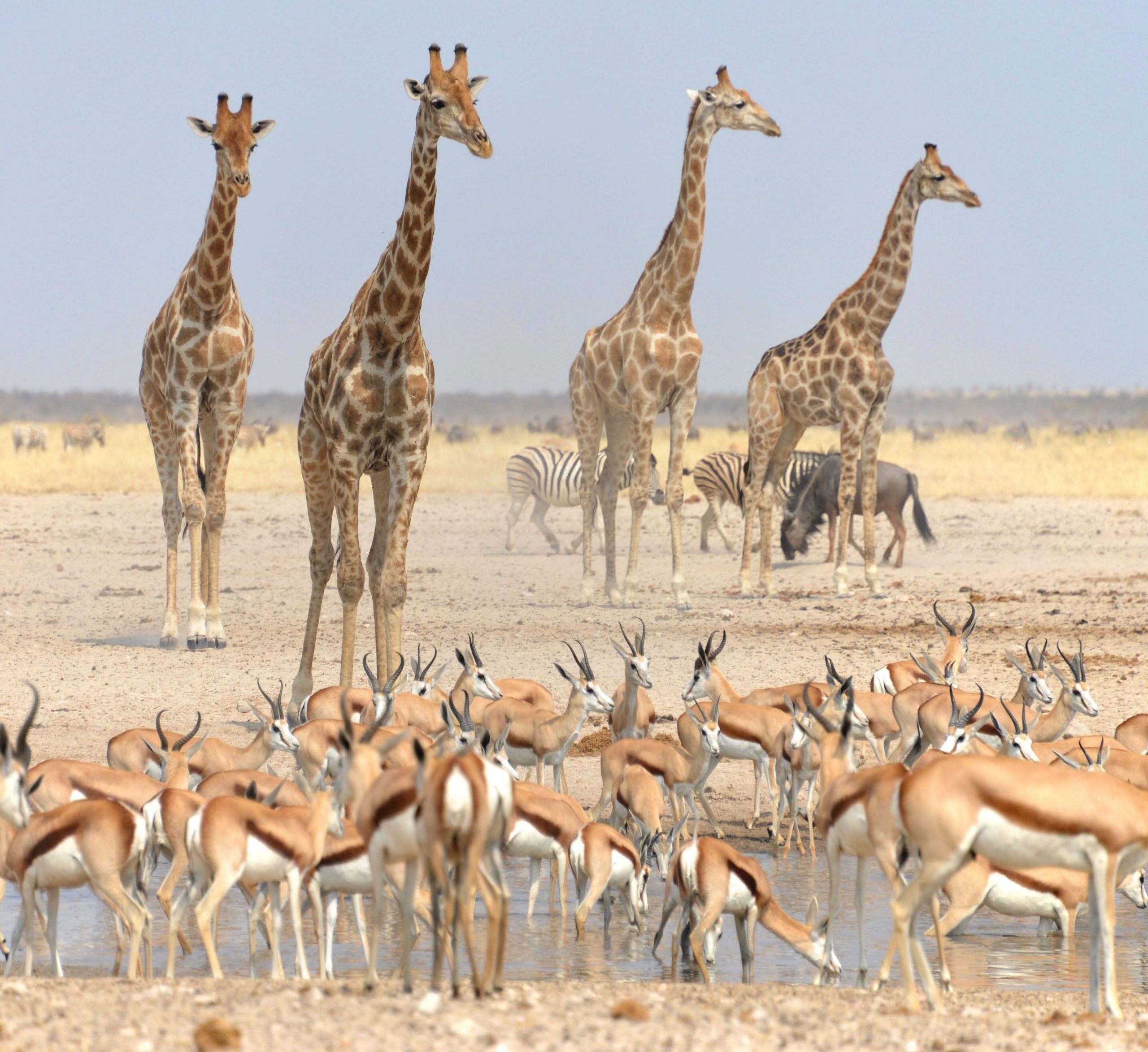 Etosha National Park in northern Namibia is the country’s premier safari destination, and an absolute must for wildlife photographers.
At the heart of the park is Etosha Pan, Africa’s largest salt flat. It's a vast expanse of white, cracked, and salt-laced earth. The name Etosha comes from the Ovambo language and means ‘great white place’.
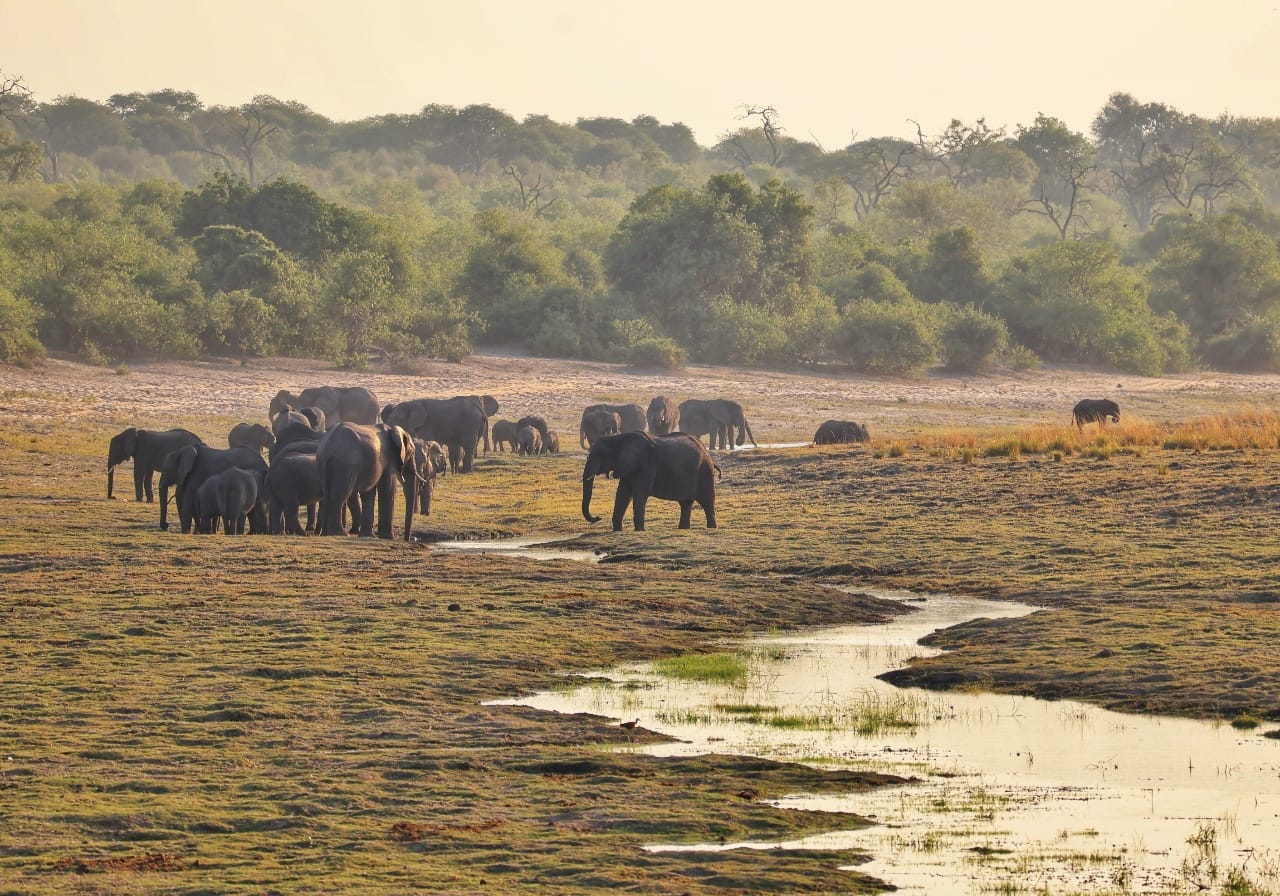
The pan is flooded once a year and transforms into a shallow lake strewn with flamingoes, pelicans, and other waterbirds. Then, in winter, the water recedes and thirsty wildlife crowds around the dwindling water, creating spectacles of density and biodiversity like that shown above.
Best time for photography
Take photographs after sunrise or around sunset to benefit from softer light. This is also when the animals are most active.
The dry season (May to October) is your best chance to capture many animals in one shot, as they congregate around water sources and there’s little vegetation to hide them. Visit in spring for greener, softer landscapes, less dust, and opportunities to photograph migratory birds.
Etosha National Park in northern Namibia is the country’s premier safari destination, and an absolute must for wildlife photographers.
At the heart of the park is Etosha Pan, Africa’s largest salt flat. It's a vast expanse of white, cracked, and salt-laced earth. The name Etosha comes from the Ovambo language and means ‘great white place’.
The pan is flooded once a year and transforms into a shallow lake strewn with flamingoes, pelicans, and other waterbirds. Then, in winter, the water recedes and thirsty wildlife crowds around the dwindling water, creating spectacles of density and biodiversity like that shown above.
Best time for photography
Take photographs after sunrise or around sunset to benefit from softer light. This is also when the animals are most active.
The dry season (May to October) is your best chance to capture many animals in one shot, as they congregate around water sources and there’s little vegetation to hide them. Visit in spring for greener, softer landscapes, less dust, and opportunities to photograph migratory birds.
2. Deadvlei
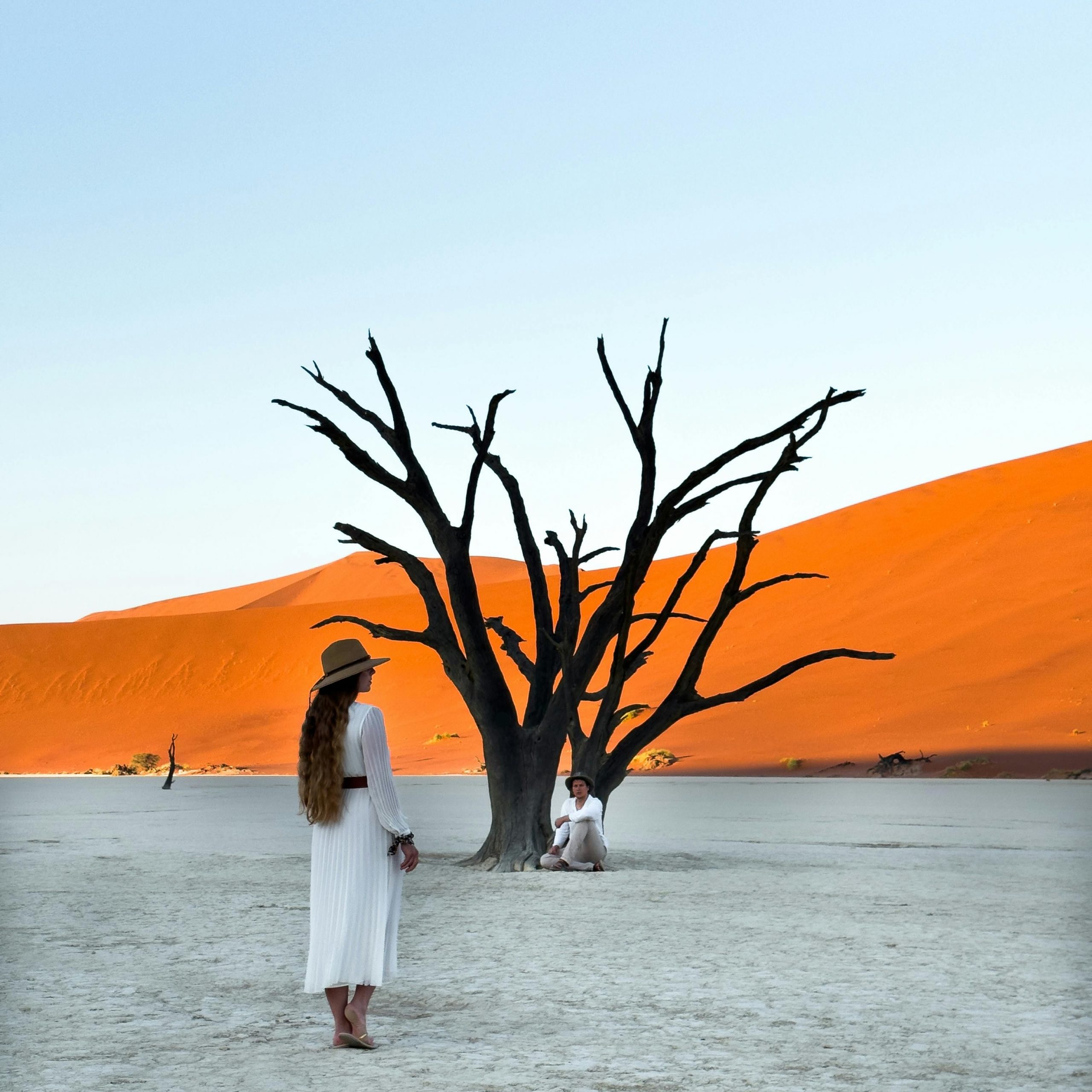 Deadvlei is another of Namibia’s most photogenic places – and one of its most recognisable.
Here, the cracked white sand of the salt pan is punctuated by the skeletal black remains of camel thorn trees. These trees are nearly a millennium old, having become frozen in time thanks to an extreme climate shift. The tall red dunes that rise up around the pan offer a wonderful backdrop and colour contrast.
Everyone feels like a pro behind the camera when the subject matter is this interesting.
Best time for photography
The golden hours of sunrise and sunset offer deep shadows and set the dunes ablaze.
[products ids="371268, 13209, 12333"]
Deadvlei is another of Namibia’s most photogenic places – and one of its most recognisable.
Here, the cracked white sand of the salt pan is punctuated by the skeletal black remains of camel thorn trees. These trees are nearly a millennium old, having become frozen in time thanks to an extreme climate shift. The tall red dunes that rise up around the pan offer a wonderful backdrop and colour contrast.
Everyone feels like a pro behind the camera when the subject matter is this interesting.
Best time for photography
The golden hours of sunrise and sunset offer deep shadows and set the dunes ablaze.
[products ids="371268, 13209, 12333"]
3. Fish River Canyon
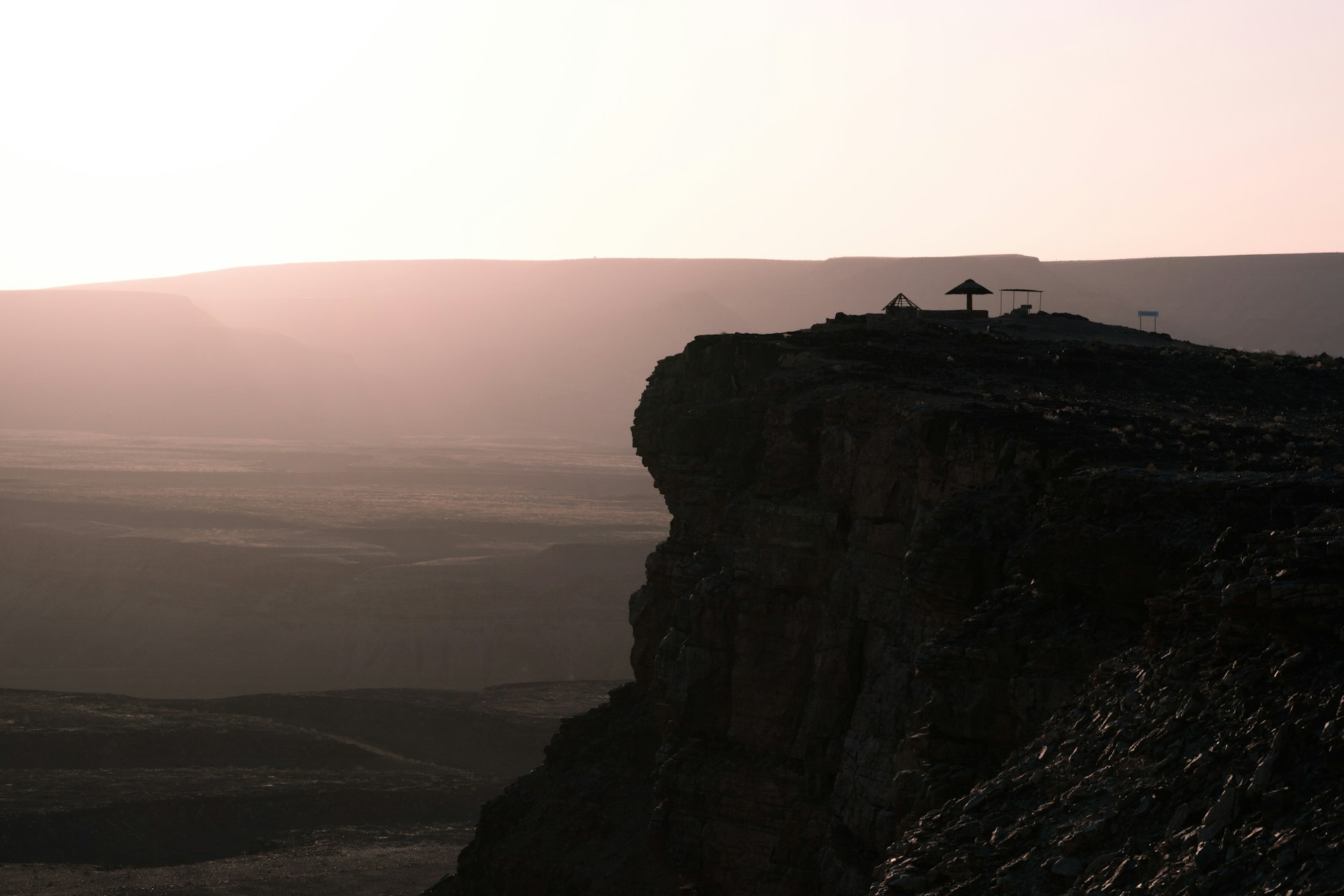 The Fish River Canyon in southern Namibia is an astounding gash in the land. By certain calculations, it’s the biggest canyon in the world. For anyone wanting to flex their panoramic landscape photography skills, you’ll find no better challenge!
Note that you can do a multiday trek down into the canyon, which perhaps offers the best perspectives when it comes to capturing landscapes of stunning magnitude.
Best time for photography
Unsurprisingly, the best hours to photograph Fish River Canyon are sunrise and sunset, as the low-angled light bathes the rock in warm hues, highlights crevices and texture, and provides strong contrasts between light and shadow.
May to September (winter) offers the best visibility. This is also the most pleasant time to visit, as you're in the Kalahari Desert, where summer temperatures can soar unpleasantly.
Related reading
The ultimate guide to Namibia's Fish River Canyon
The Fish River Canyon in southern Namibia is an astounding gash in the land. By certain calculations, it’s the biggest canyon in the world. For anyone wanting to flex their panoramic landscape photography skills, you’ll find no better challenge!
Note that you can do a multiday trek down into the canyon, which perhaps offers the best perspectives when it comes to capturing landscapes of stunning magnitude.
Best time for photography
Unsurprisingly, the best hours to photograph Fish River Canyon are sunrise and sunset, as the low-angled light bathes the rock in warm hues, highlights crevices and texture, and provides strong contrasts between light and shadow.
May to September (winter) offers the best visibility. This is also the most pleasant time to visit, as you're in the Kalahari Desert, where summer temperatures can soar unpleasantly.
Related reading
The ultimate guide to Namibia's Fish River Canyon
4. Skeleton Coast
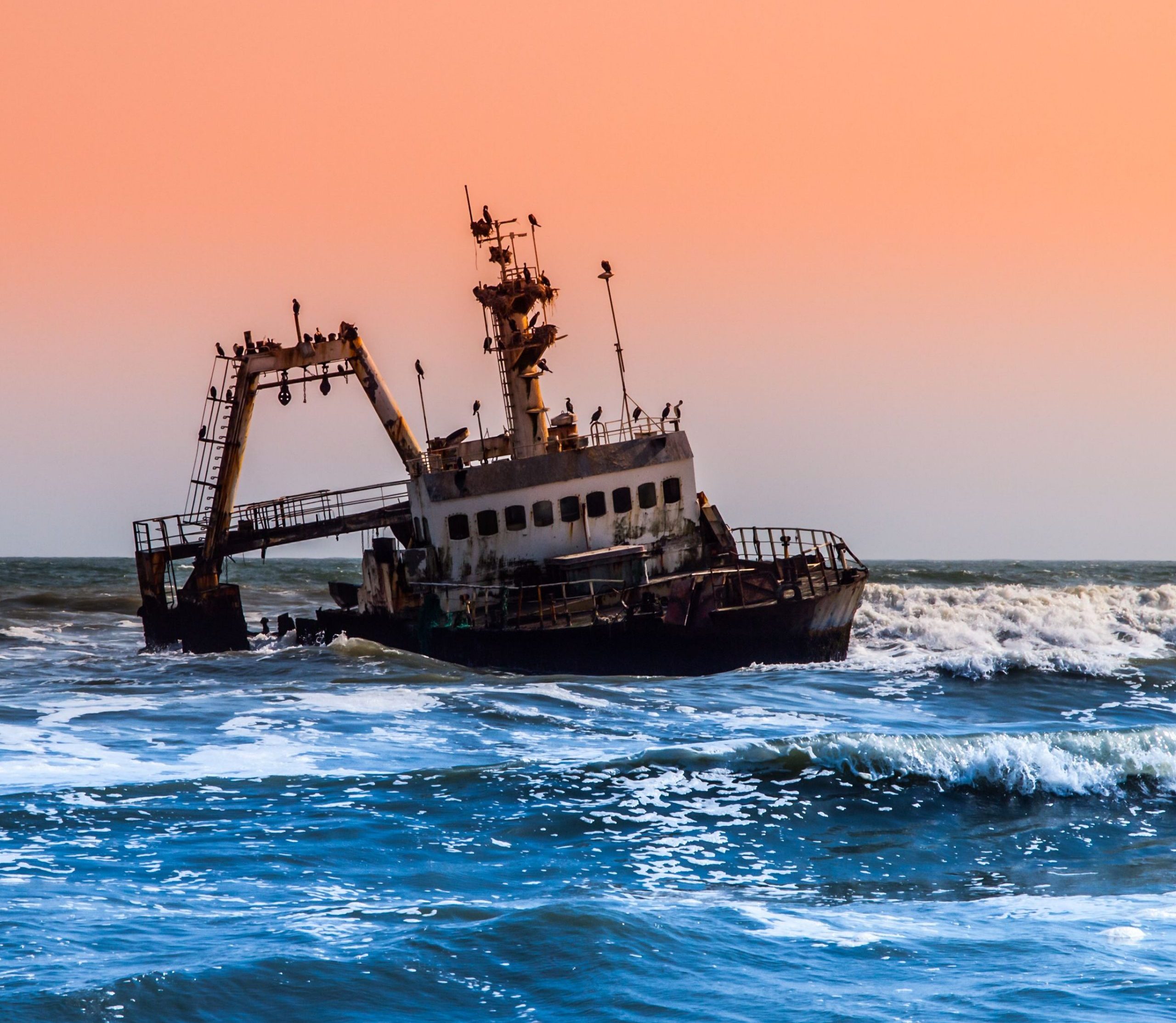 The Skeleton Coast of northern Namibia offers endless landscape and nature photography opportunities. There are sand dunes that roll into the cold Atlantic Ocean, mountains that extend into the waves and create isolated coves, and wide and sweeping sand beaches that never end. You can also find seal colonies and wetlands swamped with waterbirds.
The Skeleton Coast has notoriously fierce seas, strong currents, and thick fog, which has turned it into the world’s largest ship graveyard. So in many places, you can also put a decaying shipwreck into frame. These wrecks range from centuries-old Portuguese exploring vessels to modern liners. Some lie half-buried in sand, while others continue to break apart out to sea.
Best time for photography
Morning fog makes for atmospheric photos. For sharp colour contrasts, visit during the day. Visit in late afternoon or at low tide for shipwrecks draped in cormorants and gannets. And come in the evening for glorious ocean sunsets.
Related reading
Top 5 shipwrecks to see on Skeleton Coast, Namibia
The Skeleton Coast of northern Namibia offers endless landscape and nature photography opportunities. There are sand dunes that roll into the cold Atlantic Ocean, mountains that extend into the waves and create isolated coves, and wide and sweeping sand beaches that never end. You can also find seal colonies and wetlands swamped with waterbirds.
The Skeleton Coast has notoriously fierce seas, strong currents, and thick fog, which has turned it into the world’s largest ship graveyard. So in many places, you can also put a decaying shipwreck into frame. These wrecks range from centuries-old Portuguese exploring vessels to modern liners. Some lie half-buried in sand, while others continue to break apart out to sea.
Best time for photography
Morning fog makes for atmospheric photos. For sharp colour contrasts, visit during the day. Visit in late afternoon or at low tide for shipwrecks draped in cormorants and gannets. And come in the evening for glorious ocean sunsets.
Related reading
Top 5 shipwrecks to see on Skeleton Coast, Namibia
5. Kolmanskop
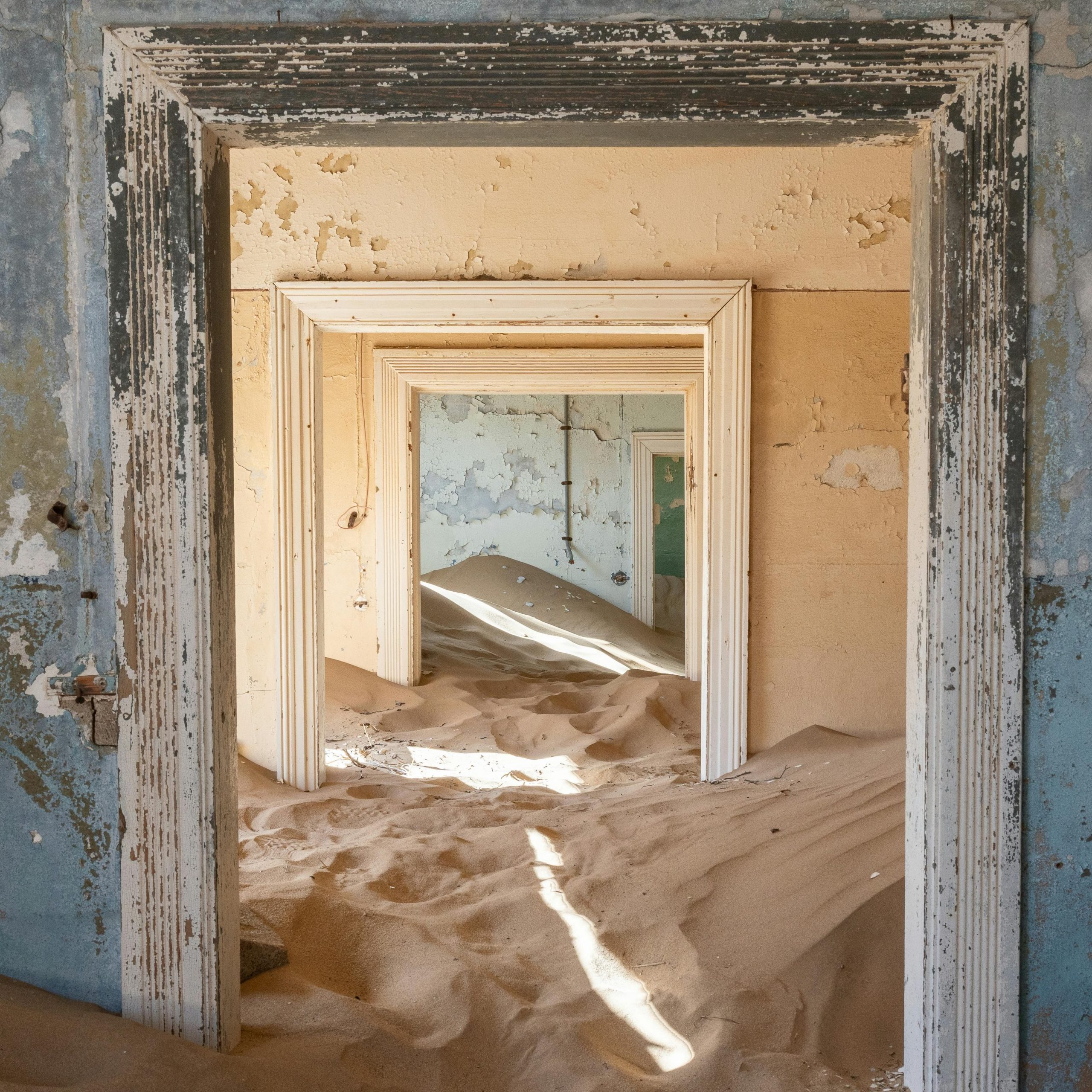 Another of the most photogenic places in Namibia is the abandoned diamond-mining town of Kolmanskop in the Namib Desert. Here, the sand dunes are reclaiming the homes, pushing out doors and windows and blending the outdoors with the indoors in striking and eerie scenes. It’s the perfect setting for creative, atmospheric, and storytelling photography.
Best time for photography
Early morning and late afternoon offer deep colours and shadows as well as interior beams of light.
Another of the most photogenic places in Namibia is the abandoned diamond-mining town of Kolmanskop in the Namib Desert. Here, the sand dunes are reclaiming the homes, pushing out doors and windows and blending the outdoors with the indoors in striking and eerie scenes. It’s the perfect setting for creative, atmospheric, and storytelling photography.
Best time for photography
Early morning and late afternoon offer deep colours and shadows as well as interior beams of light.
6. Ai-|Ais/Richtersveld
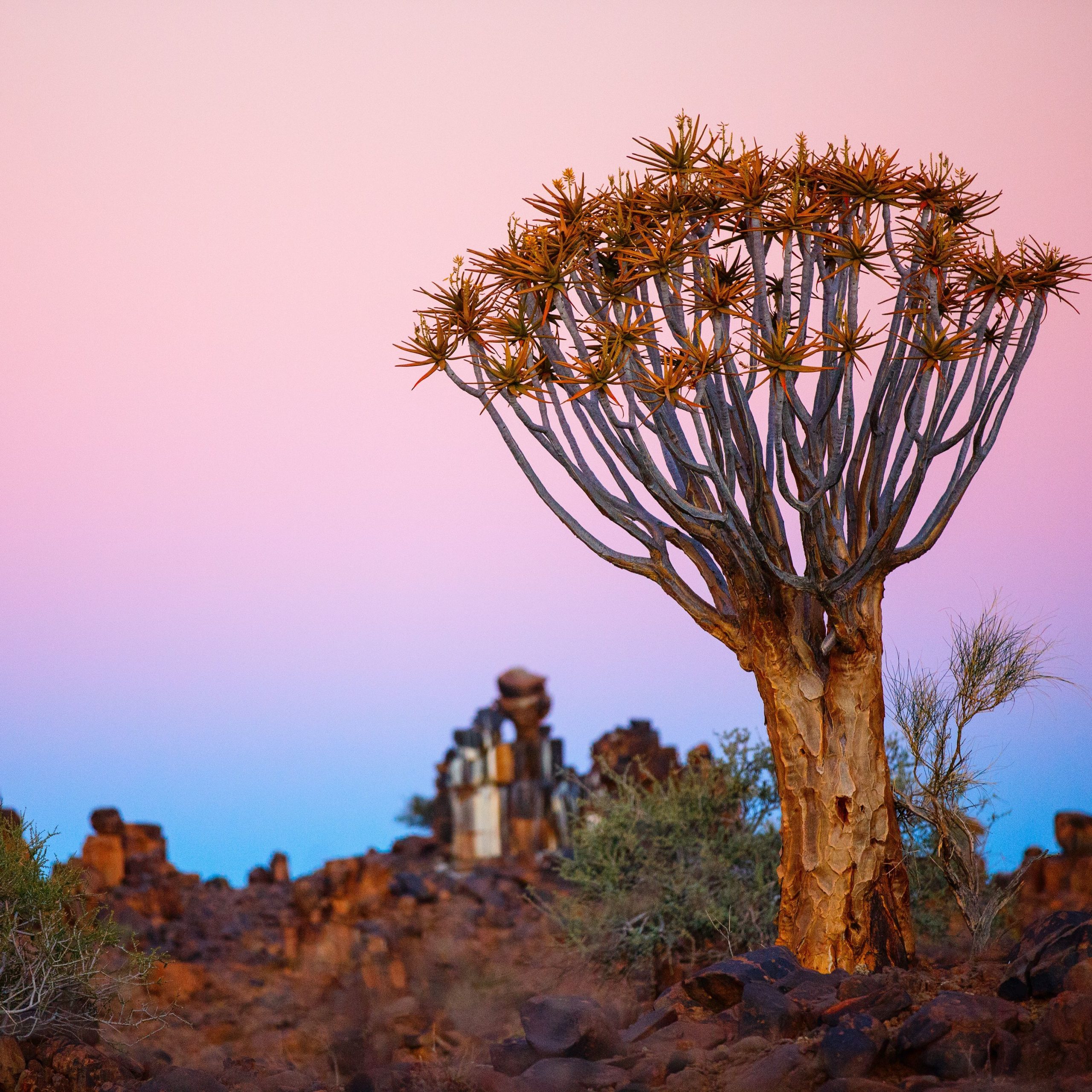 The Ai-|Ais/Richtersveld Transfrontier Park on the Namibia–South Africa border is a hauntingly beautiful desert ecosystem of mountains, canyons, quiver trees, oryxes, succulents, and starry skies. It’s also home to the Fish River Canyon, but we’ve discussed that already.
Nature photographers will love capturing shots of giant quiver tree forests and myriad succulents. The latter includes a rare and slow-growing endemic called elephants trunk (Pachypodium namaquanum), whose beautiful rosette of leaves and flowers sits atop thin tubular trunks taller than a man.
The desert also sometimes plays host to super blooms. After rare rains, little flowers carpet and colour vast swathes of the arid landscape.
Wildlife photographers can hope to find many fascinating desert-adapted animals in Ai-|Ais/Richtersveld. There's the striking oryx, for instance, as well as the rare Hartmann's mountain zebra, black-backed jackal, grey rhebok, and dainty klipspringer.
Best time for photography
Early morning and late afternoon offer the best light, and are when the wildlife is more active. August and September are your best bets for seeing desert flowers.
Related reading
The Orange River on the South Africa–Namibia border is an adventure playground
[products ids="370714, 12333, 393326"]
The Ai-|Ais/Richtersveld Transfrontier Park on the Namibia–South Africa border is a hauntingly beautiful desert ecosystem of mountains, canyons, quiver trees, oryxes, succulents, and starry skies. It’s also home to the Fish River Canyon, but we’ve discussed that already.
Nature photographers will love capturing shots of giant quiver tree forests and myriad succulents. The latter includes a rare and slow-growing endemic called elephants trunk (Pachypodium namaquanum), whose beautiful rosette of leaves and flowers sits atop thin tubular trunks taller than a man.
The desert also sometimes plays host to super blooms. After rare rains, little flowers carpet and colour vast swathes of the arid landscape.
Wildlife photographers can hope to find many fascinating desert-adapted animals in Ai-|Ais/Richtersveld. There's the striking oryx, for instance, as well as the rare Hartmann's mountain zebra, black-backed jackal, grey rhebok, and dainty klipspringer.
Best time for photography
Early morning and late afternoon offer the best light, and are when the wildlife is more active. August and September are your best bets for seeing desert flowers.
Related reading
The Orange River on the South Africa–Namibia border is an adventure playground
[products ids="370714, 12333, 393326"]
7. Soussousvlei
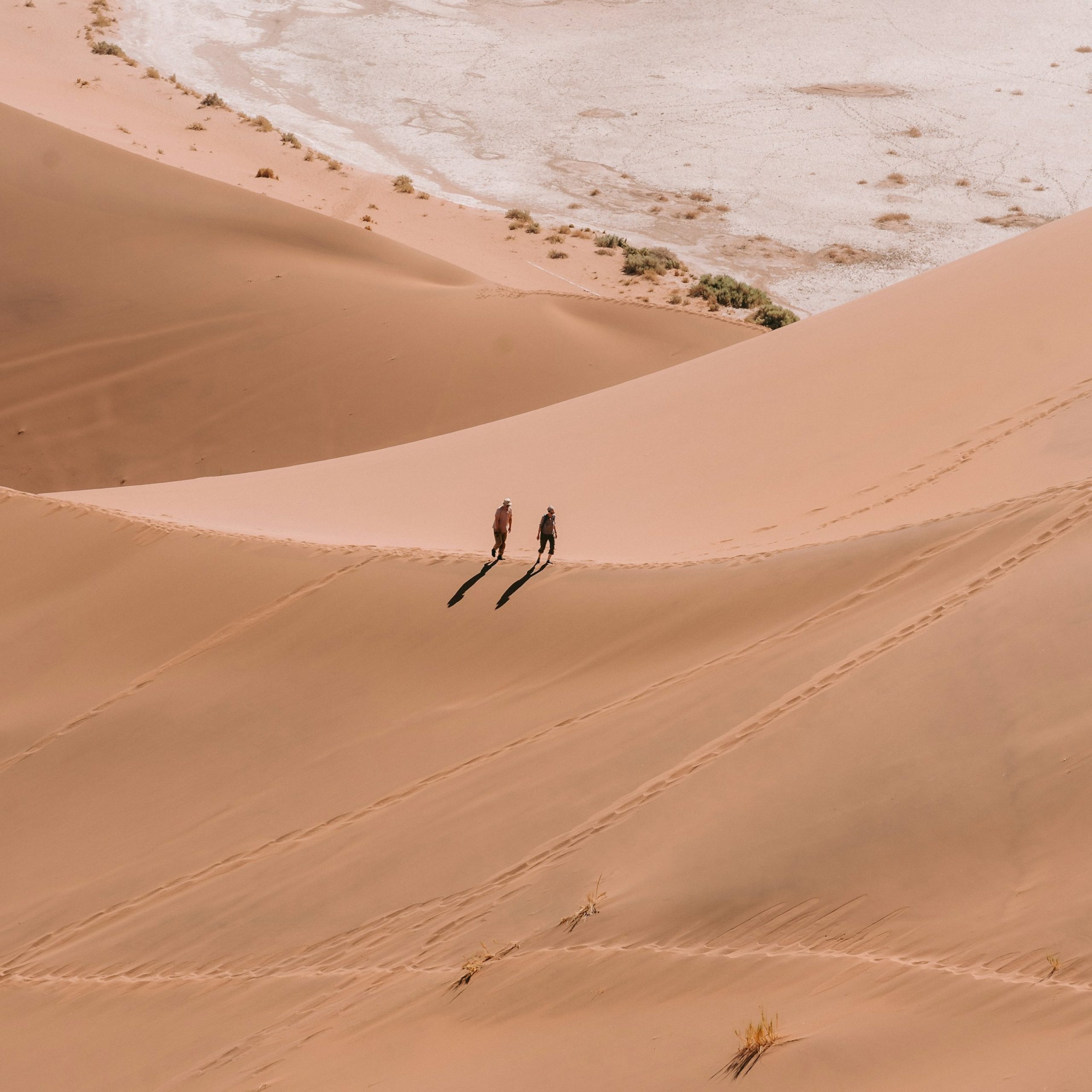 The towering red dunes of Soussousvlei in the Namib Desert are perhaps the true calling card of Namibia. They are among the highest sand dunes in the world, and their sharp edges offer endless exciting photography opportunities.
Soussousvlei lies within Namib-Naukluft National Park. This is one of the biggest nature reserves in Africa, and has next to no humans or habitations in it. This isolation, combined with the desert climate, gives a thrilling clarity to the night sky. So this is also one of the best places in the world for capturing the southern constellations.
Best time for photography
If you’re close to the shore, morning fog can create atmospheric shots, while ocean sunsets often offer glorious multicoloured skies. Low light also sets the dunes on fire and creates strikingly deep shadows.
Related reading
All about Namib-Naukluft National Park, Namibia
The towering red dunes of Soussousvlei in the Namib Desert are perhaps the true calling card of Namibia. They are among the highest sand dunes in the world, and their sharp edges offer endless exciting photography opportunities.
Soussousvlei lies within Namib-Naukluft National Park. This is one of the biggest nature reserves in Africa, and has next to no humans or habitations in it. This isolation, combined with the desert climate, gives a thrilling clarity to the night sky. So this is also one of the best places in the world for capturing the southern constellations.
Best time for photography
If you’re close to the shore, morning fog can create atmospheric shots, while ocean sunsets often offer glorious multicoloured skies. Low light also sets the dunes on fire and creates strikingly deep shadows.
Related reading
All about Namib-Naukluft National Park, Namibia
8. Caprivi Strip
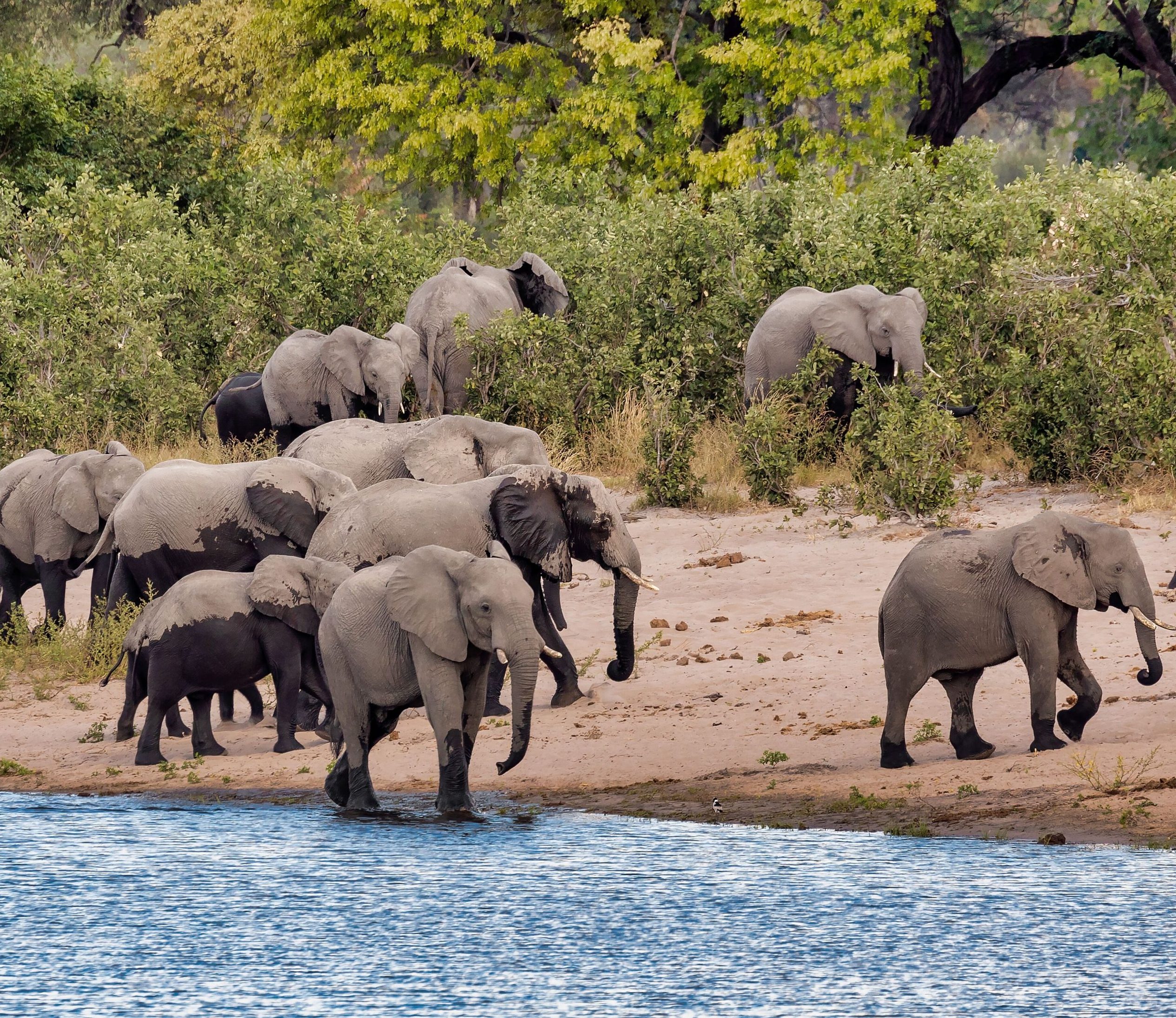 The Caprivi Strip is the thin arm of land extending off the northeast corner of Namibia. It’s a relatively flat, water-rich landscape within the Kalahari Desert fed by a network of rivers coming from the Angolan highlands.
As such, the Caprivi is a patchwork of bushveld, savannah, woodlands, wetlands, lakes, floodplains, and more. This allows it to be home to a wonderful diversity and density of animals and birds. And it’s therefore one of Namibia’s top destinations for wildlife photography.
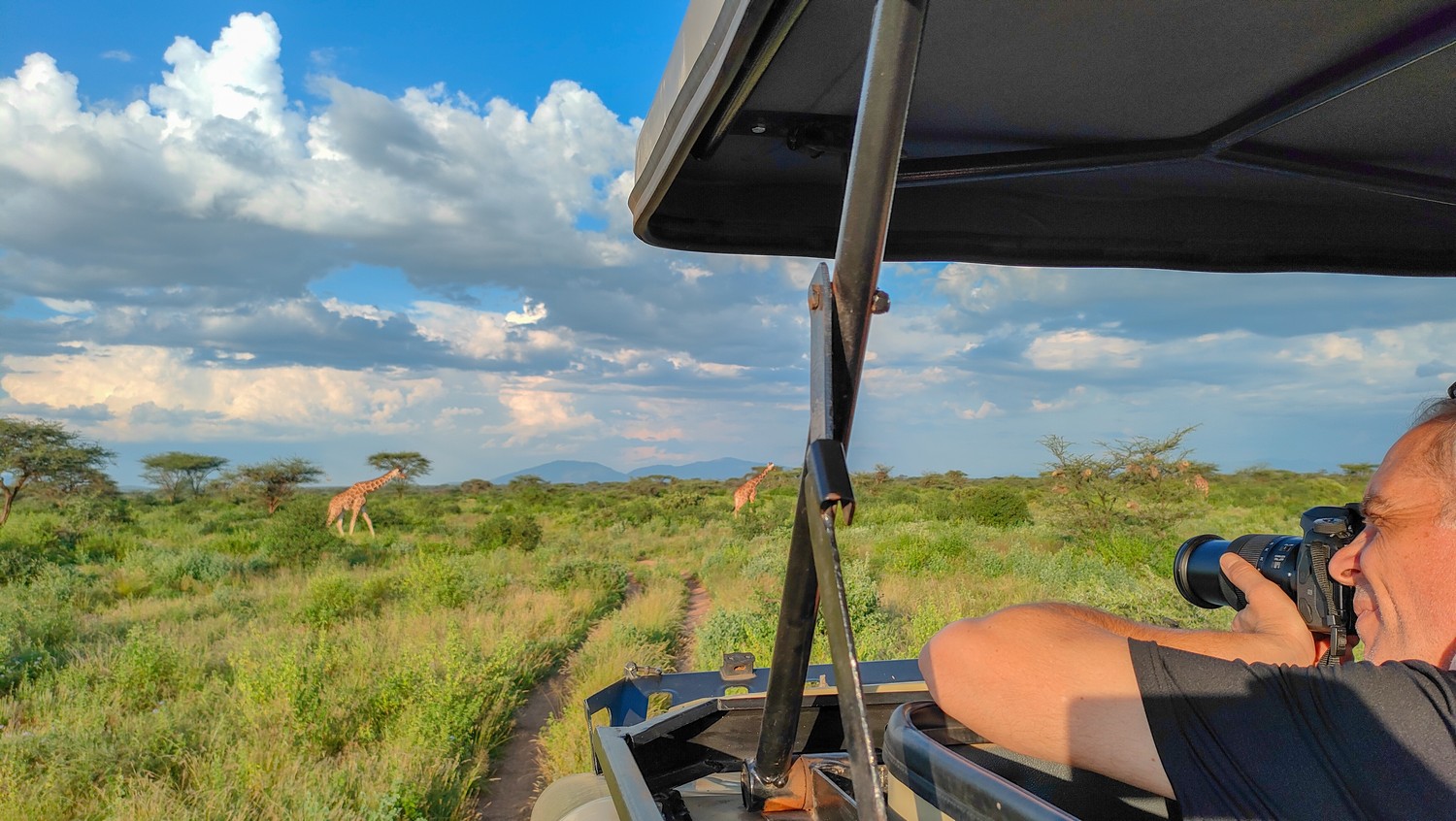
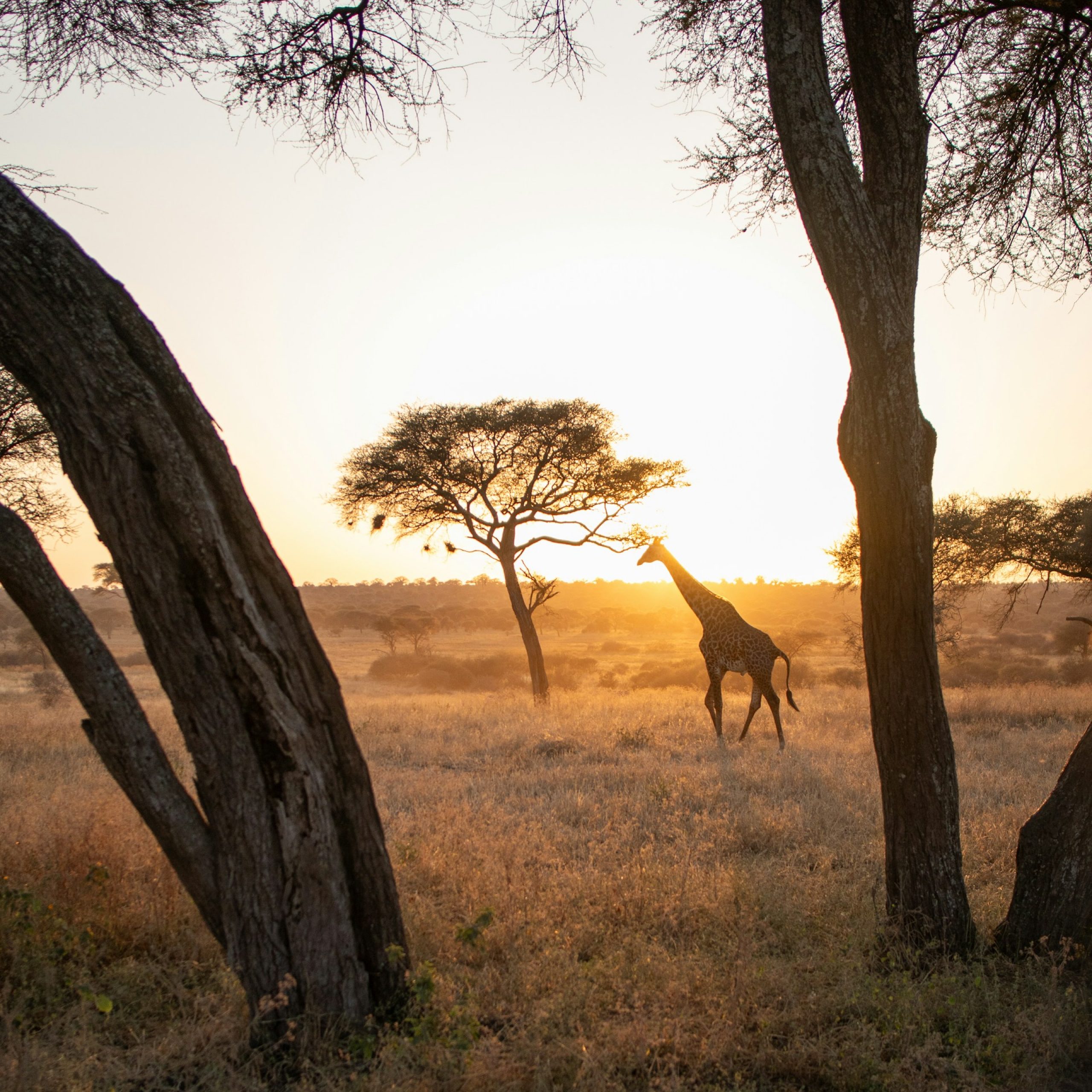
If you go on a safari in the Caprivi, you can hope to capture the likes of lions, leopards, elephants, cheetahs, waterbucks, giraffes, painted dogs, hippos, crocodiles, and monitor lizards.
Best time for photography
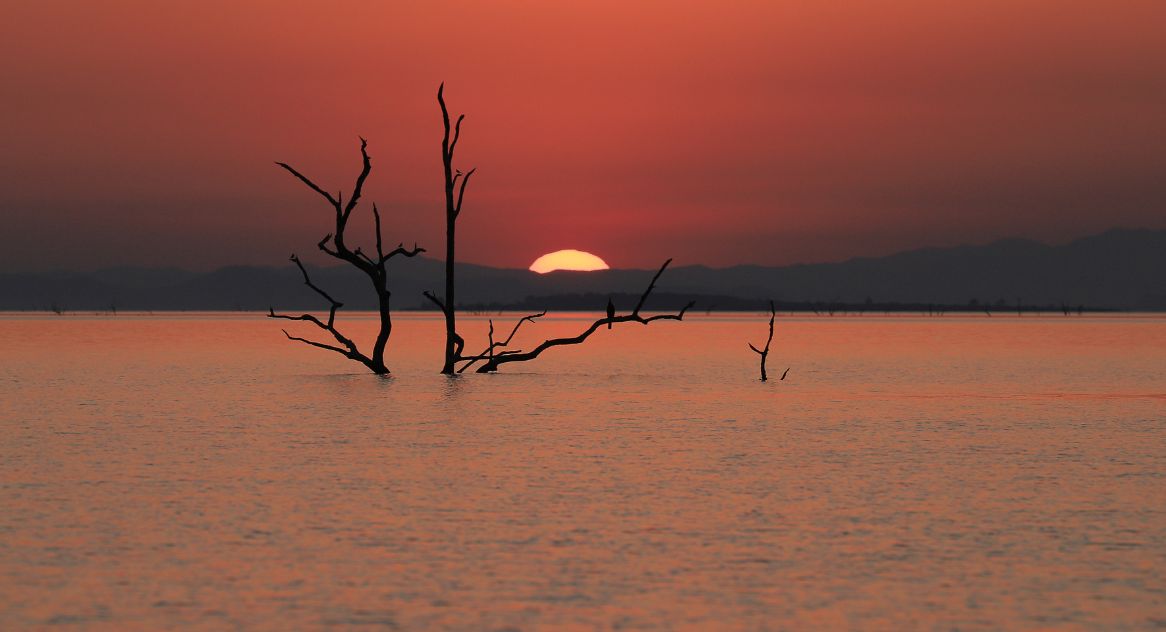
Make an effort to capture sunrise or sunset reflected in one of the region's many rivers or lakes.
Related reading
Understanding the Caprivi Strip, and the wildlife you can see there
The Caprivi Strip is the thin arm of land extending off the northeast corner of Namibia. It’s a relatively flat, water-rich landscape within the Kalahari Desert fed by a network of rivers coming from the Angolan highlands.
As such, the Caprivi is a patchwork of bushveld, savannah, woodlands, wetlands, lakes, floodplains, and more. This allows it to be home to a wonderful diversity and density of animals and birds. And it’s therefore one of Namibia’s top destinations for wildlife photography.
If you go on a safari in the Caprivi, you can hope to capture the likes of lions, leopards, elephants, cheetahs, waterbucks, giraffes, painted dogs, hippos, crocodiles, and monitor lizards.
Best time for photography
Make an effort to capture sunrise or sunset reflected in one of the region's many rivers or lakes.
Related reading
Understanding the Caprivi Strip, and the wildlife you can see there
9. Spitzkoppe
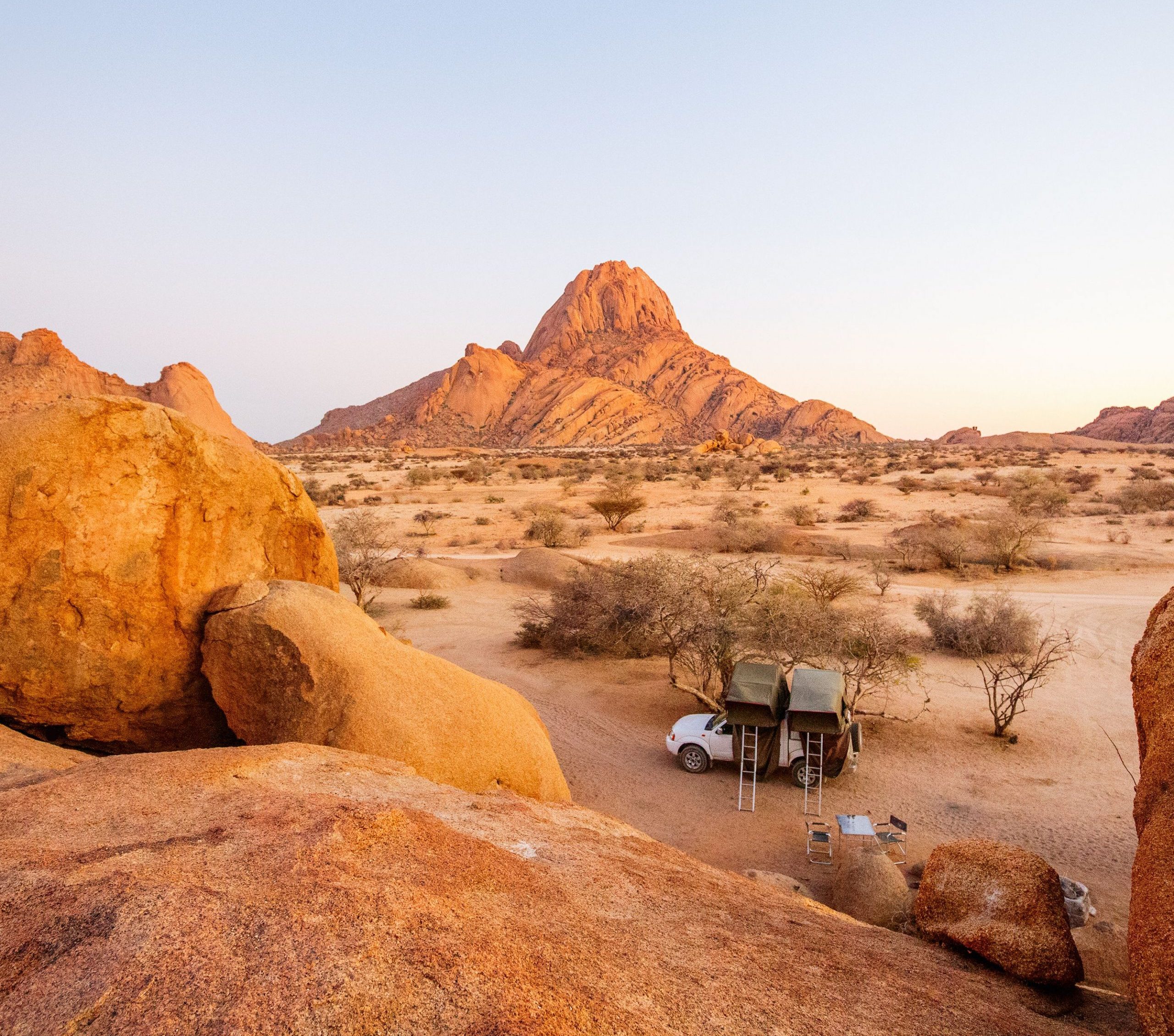
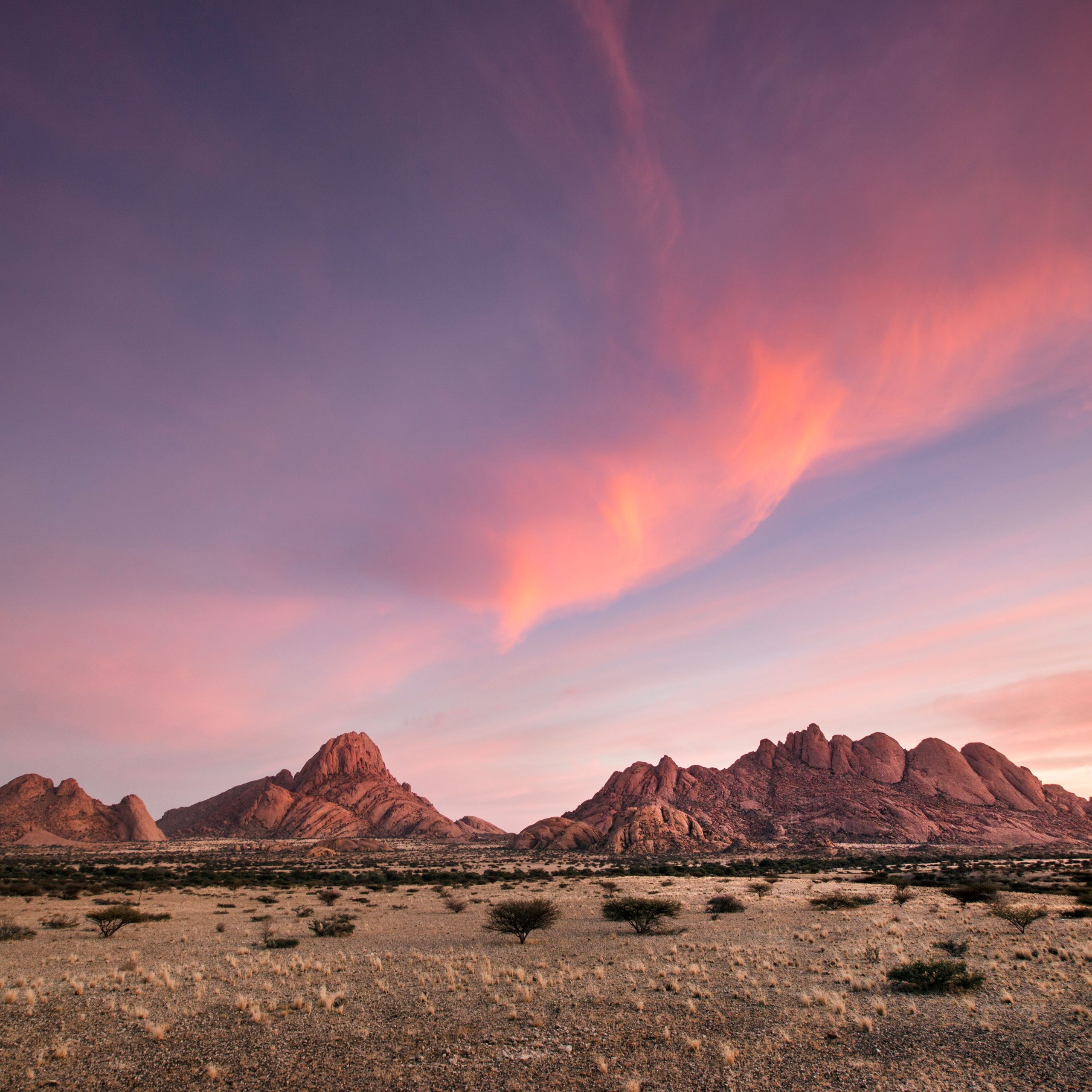 The Spitzkoppe is a grouping of bald inselbergs within the scenic Damaraland region of northern Namibia. This rugged range is known for its gorges, dramatic rock formations, hardy wildlife, and sublime sunsets and night skies.
The most famous spot within the range is the glorious and unlikely granite natural arch known simply as the Rock Arch. This long, smooth arch, shaped over immeasurable time by the wind, offers wonderful framing for various shots, including those of the starry night sky.
Best time for photography
For soft light and warm colours, visit at sunrise. The end of the day, however, is perhaps the true sweet spot, as desert sunset hues are hard to beat.
The Spitzkoppe is a grouping of bald inselbergs within the scenic Damaraland region of northern Namibia. This rugged range is known for its gorges, dramatic rock formations, hardy wildlife, and sublime sunsets and night skies.
The most famous spot within the range is the glorious and unlikely granite natural arch known simply as the Rock Arch. This long, smooth arch, shaped over immeasurable time by the wind, offers wonderful framing for various shots, including those of the starry night sky.
Best time for photography
For soft light and warm colours, visit at sunrise. The end of the day, however, is perhaps the true sweet spot, as desert sunset hues are hard to beat.
10. Epupa Falls
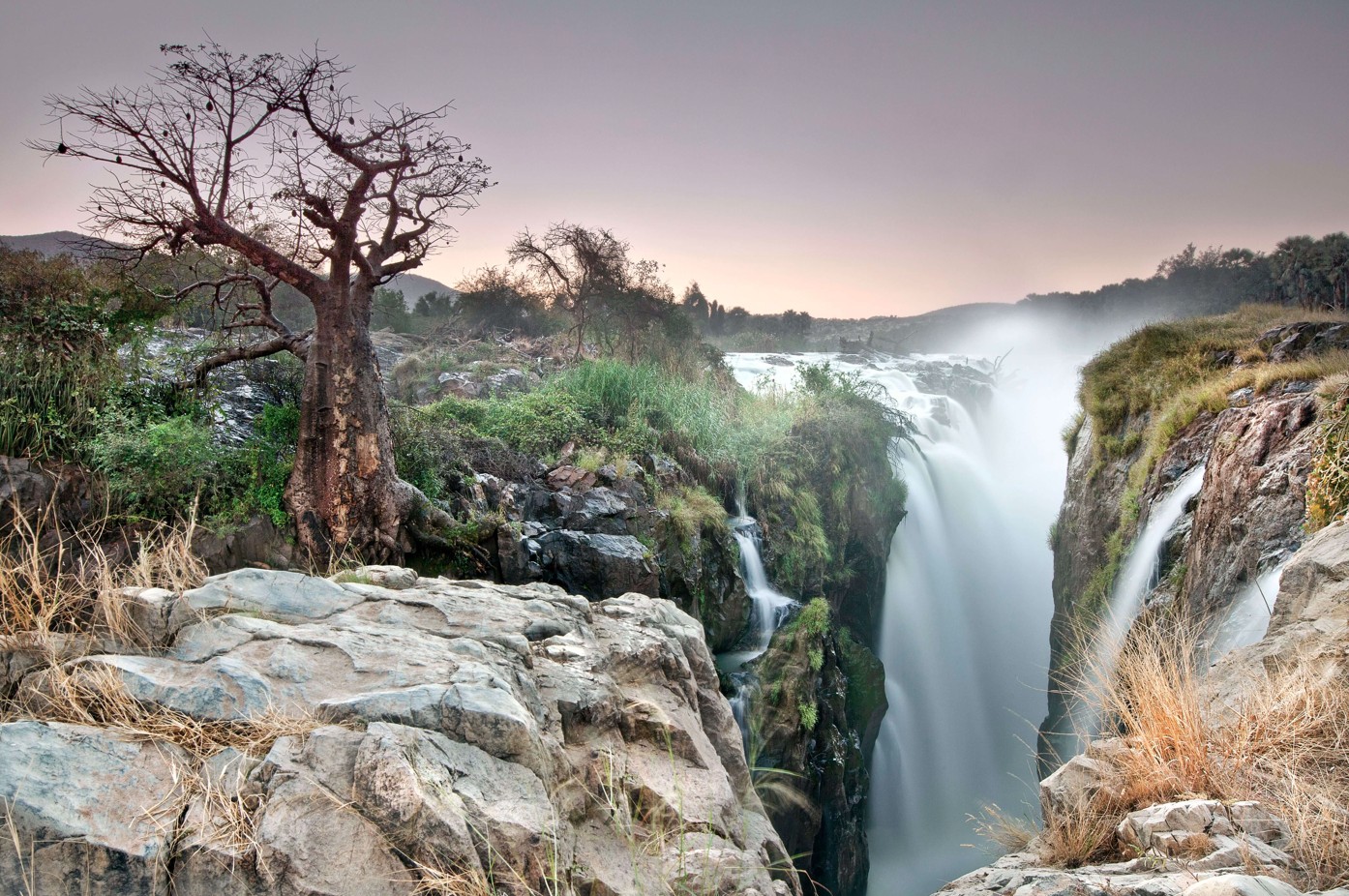 One of Namibia’s lesser-known destinations, but still one of its most photogenic, is Epupa Falls. A feature of the Kunene River on the Namibia–Angola border, the falls are a series of pretty cascades that drop into a nearly 40-metre-deep gorge.
Epupa Falls lies within the Kaokaveld Desert, an ecosystem known for its desert elephants and rugged landscape, among other things. Here, the desert landscape is softened with greenery, and the craggy Baynes Mountains provide an attractive backdrop.
Best time for photography
The falls are at their strongest in April and May, creating the ‘foam’ that gives rise to their Herero-language name epupa. Sunset is the magical hour when the distant Baynes Mountains turn a striking red.
One of Namibia’s lesser-known destinations, but still one of its most photogenic, is Epupa Falls. A feature of the Kunene River on the Namibia–Angola border, the falls are a series of pretty cascades that drop into a nearly 40-metre-deep gorge.
Epupa Falls lies within the Kaokaveld Desert, an ecosystem known for its desert elephants and rugged landscape, among other things. Here, the desert landscape is softened with greenery, and the craggy Baynes Mountains provide an attractive backdrop.
Best time for photography
The falls are at their strongest in April and May, creating the ‘foam’ that gives rise to their Herero-language name epupa. Sunset is the magical hour when the distant Baynes Mountains turn a striking red.
Visit Namibia on an overland tour
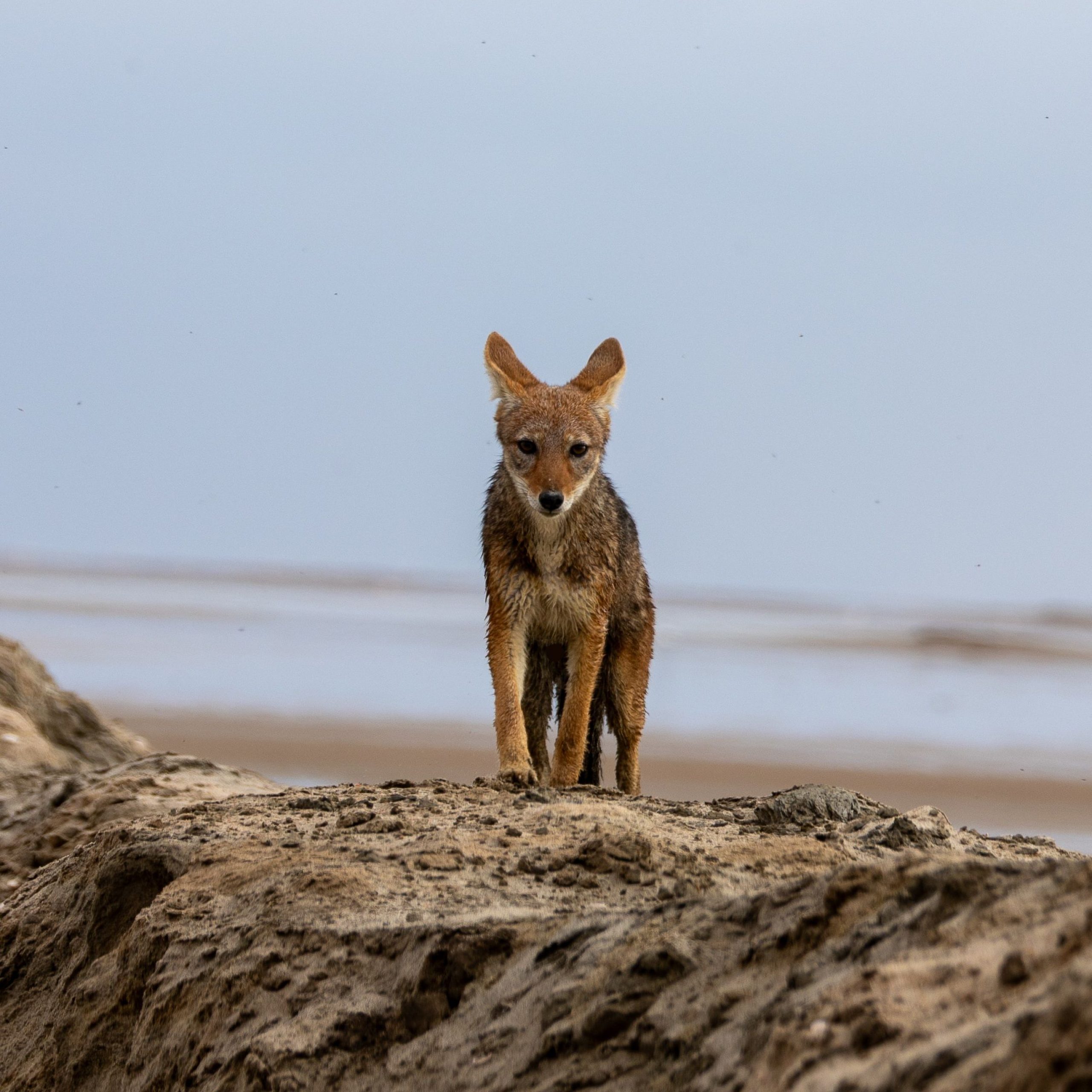 If you're keen to plan a Namibian adventure, check out these overlanding itineraries from African Overland Tours. They're immersive experiences that get you close to Namibia's land and people in authentic and unforgettable ways.
Note: This blog post was created by Sarah Duff in 2024. It was completely rewritten in 2026 by Megan Abigail White.
If you're keen to plan a Namibian adventure, check out these overlanding itineraries from African Overland Tours. They're immersive experiences that get you close to Namibia's land and people in authentic and unforgettable ways.
Note: This blog post was created by Sarah Duff in 2024. It was completely rewritten in 2026 by Megan Abigail White. https://www.facebook.com/AfricanOverlandTourscom/
https://www.instagram.com/african_overland_tours/
https://www.youtube.com/@africanoverlandtoursandsafaris
+27 (0) 21 448 0997
Customer Service
Worldwide