

Explore Uganda
19 days
Spitzkoppe
Places you'll visit
African Overland Tours
https://www.facebook.com/AfricanOverlandTourscom/
https://www.instagram.com/african_overland_tours/
https://www.youtube.com/@africanoverlandtoursandsafaris
+27 (0) 21 448 0997
Customer Service
Worldwide

Botswana Tours are for the adventurous traveler who wants the rugged side of Africa. High rainfall in the north of Botswana results in the lush Okavango Delta along with the Linyati Swamps and the wildlife-rich Chobe River.
Unique landscapes
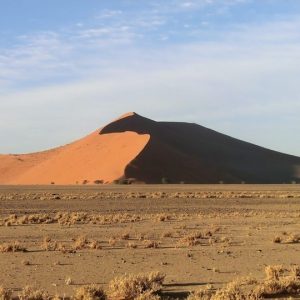
Although this beauty is in stark contrast to the somewhat flat landscape of the Savannah with few bushes and trees scattered across the horizon. Your Botswana safari wild reveal a landscape rich with wildlife.
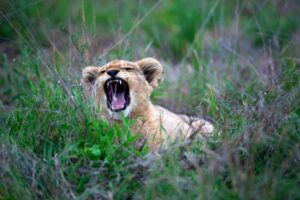
Incredible wildlife
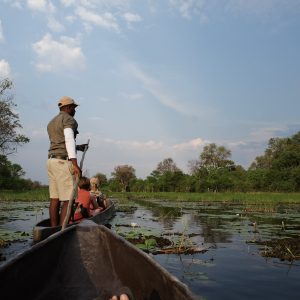
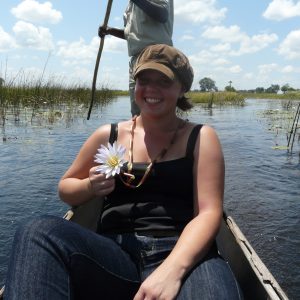
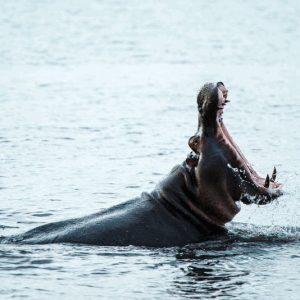
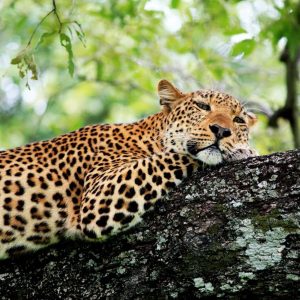
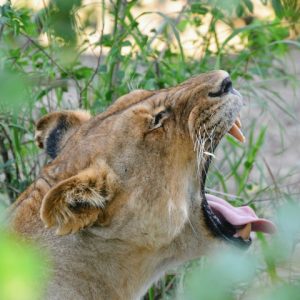
Take a Mokoro trip through the Delta and revel in sightings of elephant, hippopotamus, giraffe, lion, rhino, cheetah and leopard. While Botswana is home to many wildlife species it also boast distinct raw beauty unmatched by other African landscapes.

ZAR
46252.00https://schema.org/InStock
African Overland Tours
Price From
was
R57,815
R46,252
Wednesday
10 Dec 2025

Sunday
28 Dec 2025
From
R59,150
R44,363

24% discount
Wednesday
07 Jan 2026
Sunday
25 Jan 2026
From
R59,150
R47,320
20% discount
Wednesday
21 Jan 2026
Sunday
08 Feb 2026
From
R59,150
R47,320
20% discount
Wednesday
04 Feb 2026
Sunday
22 Feb 2026
From
R59,150
R47,320
20% discount
Wednesday
18 Feb 2026
Sunday
08 Mar 2026
From
R59,150
R47,320
20% discount
Wednesday
04 Mar 2026
Sunday
22 Mar 2026
From
R59,150
R47,320
20% discount
Wednesday
18 Mar 2026
Sunday
05 Apr 2026
From
R59,150
R47,320
20% discount
Wednesday
01 Apr 2026
Sunday
19 Apr 2026
From
R59,150
R50,278
14% discount
Wednesday
15 Apr 2026
Sunday
03 May 2026
From
R59,150
R50,278
14% discount
Wednesday
29 Apr 2026
Sunday
17 May 2026
From
R59,150
R50,278
14% discount
Wednesday
13 May 2026
Sunday
31 May 2026
From
R59,150
R50,278
14% discount
Wednesday
27 May 2026
Sunday
14 Jun 2026
From
R59,150
R50,278
14% discount
Wednesday
10 Jun 2026
Sunday
28 Jun 2026
From
R59,150
R50,278
14% discount
Wednesday
24 Jun 2026
Sunday
12 Jul 2026
From
R59,150
R50,278
14% discount
Wednesday
08 Jul 2026
Sunday
26 Jul 2026
From
R59,150
R50,278
14% discount
Wednesday
22 Jul 2026
Sunday
09 Aug 2026
From
R59,150
R50,278
14% discount
Wednesday
05 Aug 2026
Sunday
23 Aug 2026
From
R59,150
R50,278
14% discount
Wednesday
19 Aug 2026
Sunday
06 Sep 2026
From
R59,150
R50,278
14% discount
Wednesday
02 Sep 2026
Sunday
20 Sep 2026
From
R59,150
R50,278
14% discount
Wednesday
16 Sep 2026
Sunday
04 Oct 2026
From
R59,150
R50,278
14% discount
Wednesday
30 Sep 2026
Sunday
18 Oct 2026
From
R59,150
R50,278
14% discount
Wednesday
14 Oct 2026
Sunday
01 Nov 2026
From
R59,150
R50,278
14% discount
Wednesday
28 Oct 2026
Sunday
15 Nov 2026
From
R59,150
R50,278
14% discount
Wednesday
25 Nov 2026
Sunday
13 Dec 2026
From
R59,150
R50,278
14% discount
Wednesday
09 Dec 2026
Sunday
27 Dec 2026
From
R59,150
R50,278
14% discount
Wednesday
23 Dec 2026
Sunday
10 Jan 2027
From
R59,150
R50,278
14% discount

ZAR
75640.00https://schema.org/InStock
African Overland Tours
Price From
was
R94,550
R75,640
ZAR
86950.00https://schema.org/InStock
African Overland Tours
Price From
R86,950
ZAR
95000.00https://schema.org/InStock
African Overland Tours
Price From
was
R118,750
R95,000
ZAR
57900.00https://schema.org/InStock
African Overland Tours
Price From
R57,900
ZAR
73184.00https://schema.org/InStock
African Overland Tours
Price From
was
R74,899
R73,184
Thursday
22 Jan 2026
Friday
06 Feb 2026
From
R86,099
R73,184
15% discount
ZAR
87917.00https://schema.org/InStock
African Overland Tours
Price From
R87,917
ZAR
62000.00https://schema.org/InStock
African Overland Tours
Price From
R62,000
ZAR
60950.00https://schema.org/InStock
African Overland Tours
Price From
R60,950
ZAR
166890.00https://schema.org/InStock
African Overland Tours
Price From
R166,890
ZAR
63750.00https://schema.org/InStock
African Overland Tours
Price From
R63,750
ZAR
69950.00https://schema.org/InStock
African Overland Tours
Price From
R69,950
ZAR
63750.00https://schema.org/InStock
African Overland Tours
Price From
R63,750
ZAR
123150.00https://schema.org/InStock
African Overland Tours
Price From
R123,150
ZAR
125100.00https://schema.org/InStock
African Overland Tours
Price From
R125,100
ZAR
83565.00https://schema.org/InStock
African Overland Tours
Price From
R83,565
ZAR
145400.00https://schema.org/InStock
African Overland Tours
Price From
R145,400
ZAR
147850.00https://schema.org/InStock
African Overland Tours
Price From
R147,850
ZAR
170850.00https://schema.org/InStock
African Overland Tours
Price From
R170,850
ZAR
54660.00https://schema.org/InStock
African Overland Tours
Price From
R54,660
ZAR
34000.00https://schema.org/InStock
African Overland Tours
Price From
R34,000
ZAR
40179.00https://schema.org/InStock
African Overland Tours
Price From
was
R57,399
R40,179
Saturday
29 Nov 2025
Thursday
18 Dec 2025
From
R60,899
R42,629
30% discount
Saturday
13 Dec 2025
Thursday
01 Jan 2026
From
R59,299
R47,439
20% discount
Saturday
31 Jan 2026
Thursday
19 Feb 2026
From
R57,399
R40,179
30% discount
Saturday
14 Feb 2026
Thursday
05 Mar 2026
From
R57,399
R40,179
30% discount
Saturday
21 Mar 2026
Thursday
09 Apr 2026
From
R57,399
R40,179
30% discount
Saturday
04 Apr 2026
Thursday
23 Apr 2026
From
R57,399
R40,179
30% discount
Saturday
23 May 2026
Thursday
11 Jun 2026
From
R57,399
R51,659
10% discount
Saturday
06 Jun 2026
Thursday
25 Jun 2026
From
R57,399
R51,659
10% discount
Saturday
11 Jul 2026
Thursday
30 Jul 2026
From
R62,999
R56,699
10% discount
Saturday
25 Jul 2026
Thursday
13 Aug 2026
From
R62,999
R56,699
10% discount
ZAR
245200.00https://schema.org/InStock
African Overland Tours
Price From
R245,200
ZAR
83565.00https://schema.org/InStock
African Overland Tours
Price From
R83,565
ZAR
55430.00https://schema.org/InStock
African Overland Tours
Price From
R55,430
Botswana is a landlocked country that is mainly flat and dry, dotted with acacia trees and an array of enormous salt pans. This is a wilderness of Savannah’s, deserts and wetlands. Although the Kalahari Desert encompasses nearly 85% of Botswana, the shifting sand dunes that you’d traditionally expect in a desert are only found in the far southwest.
The great salty deserts of the Makgadikgadi Pans in the lower elevations of the northeast are endlessly white. In Botswana you are spoilt for choice of landscape and wildlife, with once in a lifetime sights and sounds of wild Africa.
Botswana’s capital is Gaborone, with Maun and Kasane the gateways to the wildlife. While Botswana is known for its diversity of remote and unexplored national parks and wildlife areas it is also characterized by the lush green riverbanks and canals of the Okavango Delta.
Easily access Chobe National Park from Kasane and explore over 11 700 square kilometers of flora and fauna it has to offer. The Park is home to the ‘Big 5’ and is sought out by travelers for a Chobe River Sunset Cruise which offers extraordinary game viewing opportunities.
Another well-known National Park is the Moremi National Park which was voted in 2008 as the ‘Best Game Reserve in Africa’ by the African Travel and Tourism Organisation. This area is in the central and eastern regions of the Okavango Delta, including the Moremi Tongue and chief’s island. Thereby boasting one of the most varied ecosystems of the African continent.
Botswana is home to the largest inland delta in the world! While the Okavango Delta leads into the barren sand areas of the Kalahari Desert, it is fed by the Okavango River. Cruise through the calm waterways of the Delta on a local dug out canoe (also know as a mokoro) while looking out for array of wildlife. You will see the African bush elephant, African buffalo, hippopotamus, blue wildebeest, giraffe, nile crocodile, lion, cheetah, leopard, black rhinoceros, white rhinoceros and so much more.
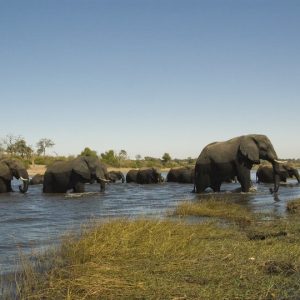
Covering 11,000 sq km (4300 sq mi), Chobe National Park has the biggest variety of wildlife compared to anywhere else in Botswana. A good place to start exploring would be the northern tip, in a town called Kasane. With up to 500 herds of elephants closely followed by lions, cheetahs, hippos, hyena, crocodile, buffaloes, giraffes, warthogs, otter, zebra, antelope, jackals and many bird species.
Chobe National Park Tours and Safaris
No landscape on earth is like this. While this was once an enormous lake, the Makgadikgadi Pans are now three immense salt pans (the largest on earth). During the sizzling heat of late winter days, these stark pans take on a disorienting and ethereal austerity. All sense of space and direction is completely destroyed by heat mirages as imaginary lakes shimmer and then disappear.
During annual rains, the hollows in the pans form temporary lakes. As a result the water turns fringing grasses green and herd animals along with birds in large flocks arrive for the party.
Makgadikgadi Pans Tours and Safaris
The Okavango Delta is one of the world’s last untamed wildernesses. Starting at the Angolan highlands, this watery mass of 16,000km² elaborate channels and islands is the therefore the world’s largest inland delta. It lies in Botswana’s northwest and flows in the opposite direction each year. The middle of the delta, which consists of 20% of the greater delta area, is protected by the Moremi Wildlife Reserve.
Local farmers used to call the Okavango Delta a ‘useless swamp’ and wanted it drained so they could use it as farmland. Fortunately, the delta was recognised for its significance in conservation. Today this mysterious, placid and beautiful area is also a sanctuary for a huge elephant population. Along with these you will see lion, antelope, cheetah, giraffe, wild dog, leopard, crocodile, hippo, buffalo and a large number of bird species. With over 80 species of fish, naturally the African Fish Eagle finds this area to be paradise.
Bear in mind that the Okavango Delta is incredibly big thereby spotting wildlife is a little more challenging than your average game park. While patience is rewarded for the traveler who wants to experience Africa for all it has to offer and not just the Big Five. Grab the opportunity to take a walking safari and explore the Delta with an experienced guide.
Okavango Delta Tours and Safaris
Usually described as one of the most beautiful wildlife reserves in Africa. Moremi National Park is a mixture of lagoons, floodplains and mopane woodland along with acacia forests. It’s incredible diversity of plant and animal life has made Moremi rather famous.
Moremi Tours and Safaris
While one of the best safari destinations in Africa, Botswana is rich with a variety of habitats that allow for wealth of wildlife to roam its massive un-fenced parks and reserves. These conservation parks make up a whopping third of the country’s land. Rhino have recently been re-introduced in the Okavango Delta after they were poached out, which means Botswana now offers the Big Five.
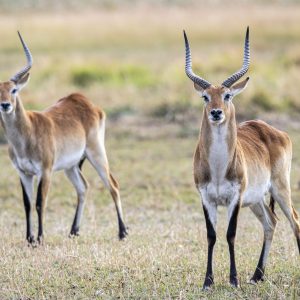
Chobe National Park has the largest concentration of game in the country, as well as the continent’s biggest population of elephants. It is estimated that there are around 50 000 of them. In the Okavango Delta, Moremi Game Reserve is known as the ‘predator capital of Africa’. Ideal for spotting lion and leopard. While this reserve is also the best place in the country to see rhino. Roan, sable and tsessebe are unusual antelopes found in Moremi along with rare red lechwe and elusive sitatunga all of which are rewarding sightings.
The Central Kalahari Game Reserve and the Kgalagadi Transfrontier Park don’t have abundant wildlife, yet they do offer the majestic black-maned Kalahari lions and cheetah. Along with these you will see desert-adapted species such as gemsbok and springbok as well as smaller animals such as bat-eared foxes, jackals, mongoose and meerkats, ensuring this area is well worth the stop.
For many travellers to Botswana, the Okavango Delta is the number one reason they visit the landlocked African country. As the world’s largest inland delta it is a massive wilderness area of waterways, islands, floodplains and lagoons that support a huge and varied wildlife population. The best way to experience the Delta is on a mokoro or traditional canoe, gliding through waterways and channels while you catch sightings of game and birds. Take it up a notch on a helicopter flight to really appreciate the vast and beautiful landscape by air.
After the Okavango, Chobe is Botswana’s most sought after safari destination. Boasting one of the largest concentrations of wildlife on the African continent. Therefore Chobe National Park is Botswana’s most biologically diverse park, with four different ecological areas. These are grassy woodland, two marsh areas and the Chobe Riverfront. A highlight of Chobe is the duality of both land-based and river-based wildlife spotting from either a small boat or a luxury house boat on the river.
The only official protected area of the Okavango Delta, Moremi is home to the most diverse animal population in Botswana. Most importantly the Big Five, after black and white rhino were re-introduced here a few years ago. Moremi is known as the ‘predator capital of Africa’ with populations of lion, cheetah, leopard and wild dog. It also offers affordable camping in beautiful locations for adventurous travelers.
Known as the ‘Louvre of the desert’, Tsodilo Hills has rock formations set among the sand dunes of the Kalahari. It has one of the largest concentrations of ancient rock art compared to anywhere else in Africa. As a result it is a spiritually sacred place with over 4500 paintings that date back thousands of years covering caves and rock walls.
Central Kalahari Game Reserve can’t be beat for isolation and wide open space. While the largest and most remote reserve in southern Africa, it’s also one of Botswana’s least developed. Described as off-the-beaten track, here you can adventure in a wilderness of sand dunes, mopane and acacia forests with vast open grasslands and salt pans.
In far eastern Botswana, the Tuli Block is a narrow finger of land wedged between Zimbabwe and South Africa. Made up of 800 000 hectares of conservancy land made up of mainly privately owned wildlife reserves. Therefore Tuli Block is spectacular and quite different to most other wilderness areas in Botswana. Scenery includes rocky outcrops, riverine forests and plains dotted with baobabs. Spot the Big Five and discover San rock paintings along with the remnants of ancient pottery in Lepokole Hills.
In the Kalahari Basin, the Makgadikgadi Pans cover an area the size of Portugal. As a result it the largest salt pan in the world. For most of the year, the area is dry and arid with the cracked pans looking like the surface of the moon. However in contrast the rainy season brings some flooding and attracts animals such as zebra, wildebeest, red hartebeest and gemsbok.
One of the highlights of Makgadikgadi Pans is Kubu Island which is a crescent-shaped island of granite rocks and old baobabs surrounded by the blinding whiteness of Sowa Pan. Considered to be a sacred site by the local people, the island still has the remains of stone age tools and arrowheads.
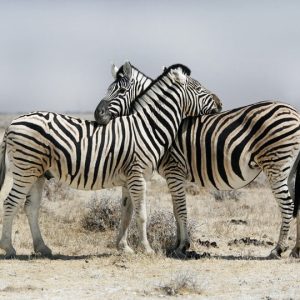
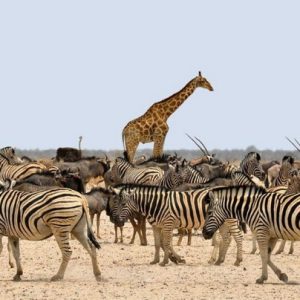
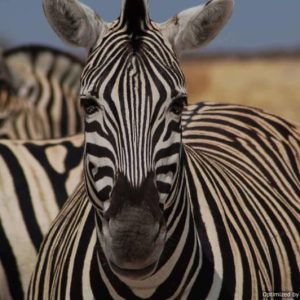
You may have heard of the wildebeest migration in Tanzania and Kenya, but there’s another amazing mammal migration that takes place in Botswana. Every year, 25 000 zebras migrate south from the Okavango Delta to the Makgadikgadi grasslands. Probably just as exciting is the trail of predators including lion, leopard, hyena and cheetah resulting in spectacular game viewing.
For many travellers to Botswana, the Okavango Delta is the number one reason they visit the landlocked African country. As the world’s largest inland delta it is a massive wilderness area of waterways, islands, floodplains and lagoons that support a huge and varied wildlife population. The best way to experience the Delta is on a mokoro or traditional canoe, gliding through waterways and channels while you catch sightings of game and birds. Take it up a notch on a helicopter flight to really appreciate the vast and beautiful landscape by air.
After the Okavango, Chobe is Botswana’s most sought after safari destination. Boasting one of the largest concentrations of wildlife on the African continent. Therefore Chobe National Park is Botswana’s most biologically diverse park, with four different ecological areas. These are grassy woodland, two marsh areas and the Chobe Riverfront. A highlight of Chobe is the duality of both land-based and river-based wildlife spotting from either a small boat or a luxury house boat on the river.
The only official protected area of the Okavango Delta, Moremi is home to the most diverse animal population in Botswana. Most importantly the Big Five, after black and white rhino were re-introduced here a few years ago. Moremi is known as the ‘predator capital of Africa’ with populations of lion, cheetah, leopard and wild dog. It also offers affordable camping in beautiful locations for adventurous travelers.
Known as the ‘Louvre of the desert’, Tsodilo Hills has rock formations set among the sand dunes of the Kalahari. It has one of the largest concentrations of ancient rock art compared to anywhere else in Africa. As a result it is a spiritually sacred place with over 4500 paintings that date back thousands of years covering caves and rock walls.
Central Kalahari Game Reserve can’t be beat for isolation and wide open space. While the largest and most remote reserve in southern Africa, it’s also one of Botswana’s least developed. Described as off-the-beaten track, here you can adventure in a wilderness of sand dunes, mopane and acacia forests with vast open grasslands and salt pans.
In far eastern Botswana, the Tuli Block is a narrow finger of land wedged between Zimbabwe and South Africa. Made up of 800 000 hectares of conservancy land made up of mainly privately owned wildlife reserves. Therefore Tuli Block is spectacular and quite different to most other wilderness areas in Botswana. Scenery includes rocky outcrops, riverine forests and plains dotted with baobabs. Spot the Big Five and discover San rock paintings along with the remnants of ancient pottery in Lepokole Hills.
In the Kalahari Basin, the Makgadikgadi Pans cover an area the size of Portugal. As a result it the largest salt pan in the world. For most of the year, the area is dry and arid with the cracked pans looking like the surface of the moon. However in contrast the rainy season brings some flooding and attracts animals such as zebra, wildebeest, red hartebeest and gemsbok.
One of the highlights of Makgadikgadi Pans is Kubu Island which is a crescent-shaped island of granite rocks and old baobabs surrounded by the blinding whiteness of Sowa Pan. Considered to be a sacred site by the local people, the island still has the remains of stone age tools and arrowheads.
You may have heard of the wildebeest migration in Tanzania and Kenya, but there’s another amazing mammal migration that takes place in Botswana. Every year, 25 000 zebras migrate south from the Okavango Delta to the Makgadikgadi grasslands. Probably just as exciting is the trail of predators including lion, leopard, hyena and cheetah resulting in spectacular game viewing.
This massive park stretches across the border and into South Africa. It is one of Botswana’s least visited wilderness areas. You need to have a 4×4 to tackle the sandy roads and as a result it is necessary to bring your own water and be entirely self-sufficient while staying in un-fenced bush camps. If you’re up for the adventure, the park comes with many rewards. Beautiful dune landscapes and sightings of the Kalahari animals such as black-maned lions, leopard, cheetah, hyena, bat-eared foxes and meerkats.
Botswana has a policy of low impact tourism which limits the number of people who can stay in conservation areas. Therefore the cost of a safari in Botswana is relatively high. This is especially true when compared with neighbouring South Africa. However low impact tourism has a huge benefit in helping conservation of wilderness areas by reducing visitor numbers. As a result the advantage to travelers results in less vehicles and usually uncrowded wildlife sightings.
The months of May to October are typically the dry season or Winter season as Botswana mostly gets it’s rainfall within Summer. During the months of May to August you will experience a very dry climate with low humidity. Cool temperatures of about 10°C in the mornings warming to 28°C in the afternoon. The advantage to visiting this time of year is the animals congregate around the waterholes which is perfect for game viewing. September and October is when the heat sets in and hot temperatures of about 35°C are common.
The rainy season of Summer in Botswana is around November to April. Initially in November and December you will have cooler temperatures as clouds fill the atmosphere and bring on late afternoon showers. December mornings are mild at 20°C with hot temperatures of 34°C in the afternoons. This is a good time of the year for comfortable game safaris without the morning chill.
Towards January and February it becomes necessary to bring out your waterproof jackets and trousers for torrential downpours that can continue for days. While it is not cold, humidity is high at 50-80%. The less rain is evident as you approach March and April and therefore the temperature cools again. This continues through to April with pleasant, clear weather and temperatures of 30°C in the day.
You will find that there are only a few direct flights to Botswana outside of Southern Africa. Although getting to Botswana usually entails an overnight stop over at OR Tambo International Airport (Johannesburg, South Africa). However there are flights from Cape Town, Harare and Nairobi direct to Botswana.
Botswana’s main airport is Sir Seretse Khama International Airport which is approximately 11km north of Gaborone (Botswana’s capital). However, this airport is unfortunately far from the popular northern parks so the most common route to take is flying into Maun Airport. From Maun either take a light aircraft to your destination or some tours offer a transfer which will collect you from the airport and travel by road to your destination (weather permitting).
This massive park stretches across the border and into South Africa. It is one of Botswana’s least visited wilderness areas. You need to have a 4×4 to tackle the sandy roads and as a result it is necessary to bring your own water and be entirely self-sufficient while staying in un-fenced bush camps. If you’re up for the adventure, the park comes with many rewards. Beautiful dune landscapes and sightings of the Kalahari animals such as black-maned lions, leopard, cheetah, hyena, bat-eared foxes and meerkats.
Botswana has a policy of low impact tourism which limits the number of people who can stay in conservation areas. Therefore the cost of a safari in Botswana is relatively high. This is especially true when compared with neighbouring South Africa. However low impact tourism has a huge benefit in helping conservation of wilderness areas by reducing visitor numbers. As a result the advantage to travelers results in less vehicles and usually uncrowded wildlife sightings.
The months of May to October are typically the dry season or Winter season as Botswana mostly gets it’s rainfall within Summer. During the months of May to August you will experience a very dry climate with low humidity. Cool temperatures of about 10°C in the mornings warming to 28°C in the afternoon. The advantage to visiting this time of year is the animals congregate around the waterholes which is perfect for game viewing. September and October is when the heat sets in and hot temperatures of about 35°C are common.
The rainy season of Summer in Botswana is around November to April. Initially in November and December you will have cooler temperatures as clouds fill the atmosphere and bring on late afternoon showers. December mornings are mild at 20°C with hot temperatures of 34°C in the afternoons. This is a good time of the year for comfortable game safaris without the morning chill.
Towards January and February it becomes necessary to bring out your waterproof jackets and trousers for torrential downpours that can continue for days. While it is not cold, humidity is high at 50-80%. The less rain is evident as you approach March and April and therefore the temperature cools again. This continues through to April with pleasant, clear weather and temperatures of 30°C in the day.
You will find that there are only a few direct flights to Botswana outside of Southern Africa. Although getting to Botswana usually entails an overnight stop over at OR Tambo International Airport (Johannesburg, South Africa). However there are flights from Cape Town, Harare and Nairobi direct to Botswana.
Botswana’s main airport is Sir Seretse Khama International Airport which is approximately 11km north of Gaborone (Botswana’s capital). However, this airport is unfortunately far from the popular northern parks so the most common route to take is flying into Maun Airport. From Maun either take a light aircraft to your destination or some tours offer a transfer which will collect you from the airport and travel by road to your destination (weather permitting).